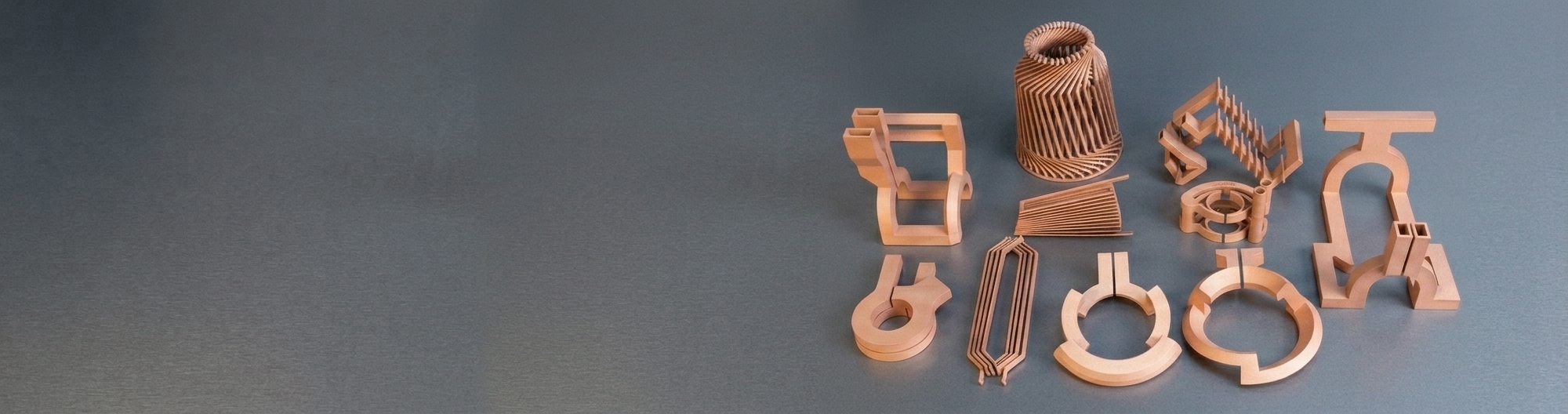
3D Printed Induction Coils in Pure Copper and CuCrZr
When Conventional Coil Manufacturing Becomes a Design Constraint
Bent copper tube and brazed assemblies remain suitable for many established coils. Additive manufacturing is most relevant when geometry or assembly complexity becomes the limiting factor.
Restricted Coil Geometry
Tube bending and tool access can limit the routing of coils around complex workpiece profiles.
Multiple Brazed Interfaces
Complex assemblies may require several joined sections that need to be inspected and maintained.
Cooling Layout Limits
Conventional tube paths may restrict how cooling passages and connection points are arranged.
Slow Design Revision
A coil redesign can require new bending steps, fixtures and assembly work before testing begins.
Induction Coil Applications We Can Review
We support engineering review for application-specific coil designs rather than offering one standard coil geometry.
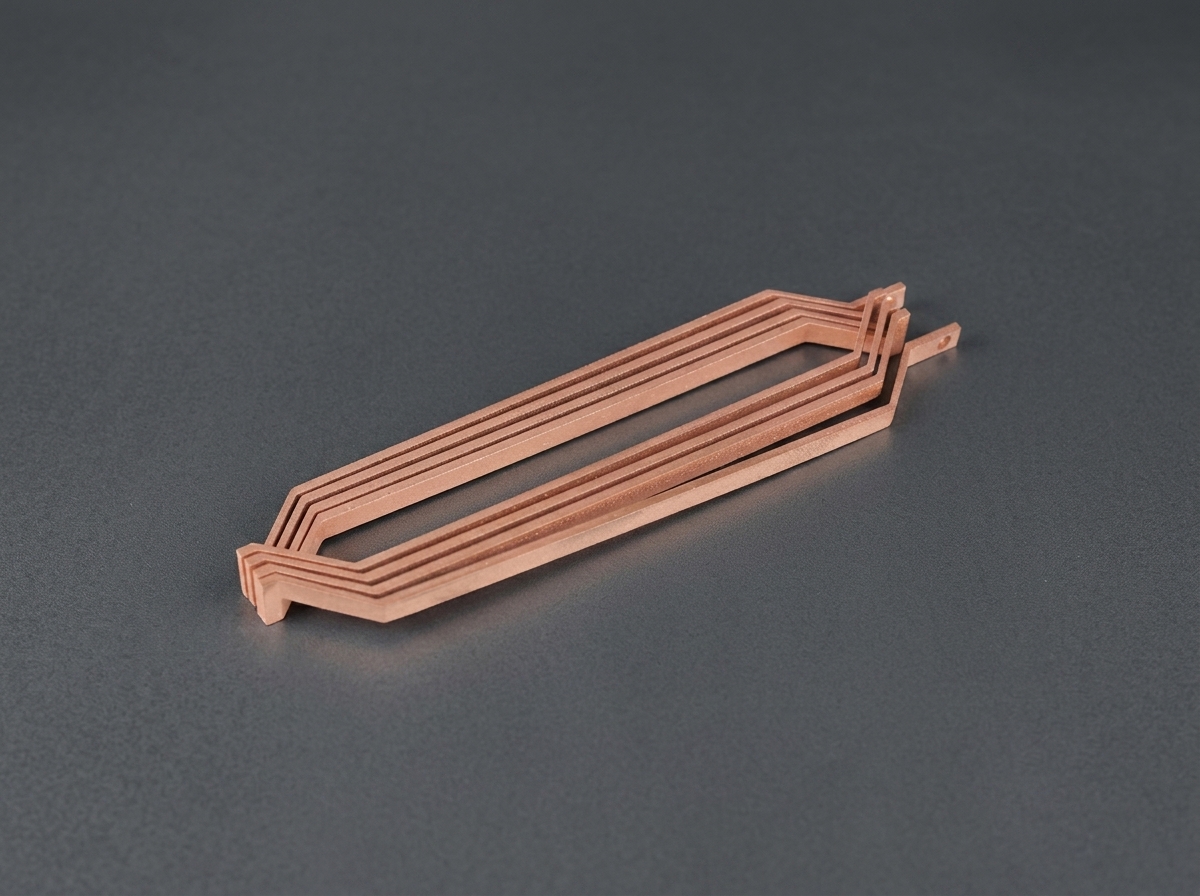
High-Strength CuCrZr Coil
Coils designed to apply controlled heat around joints, fittings and defined joining areas.
Core Advantages
- The CuCrZr body incorporates an internal lattice structure to support stiffness and reduce deformation during operation.
- Dimensional stability should be evaluated against the actual mechanical load, thermal cycle and operating conditions.
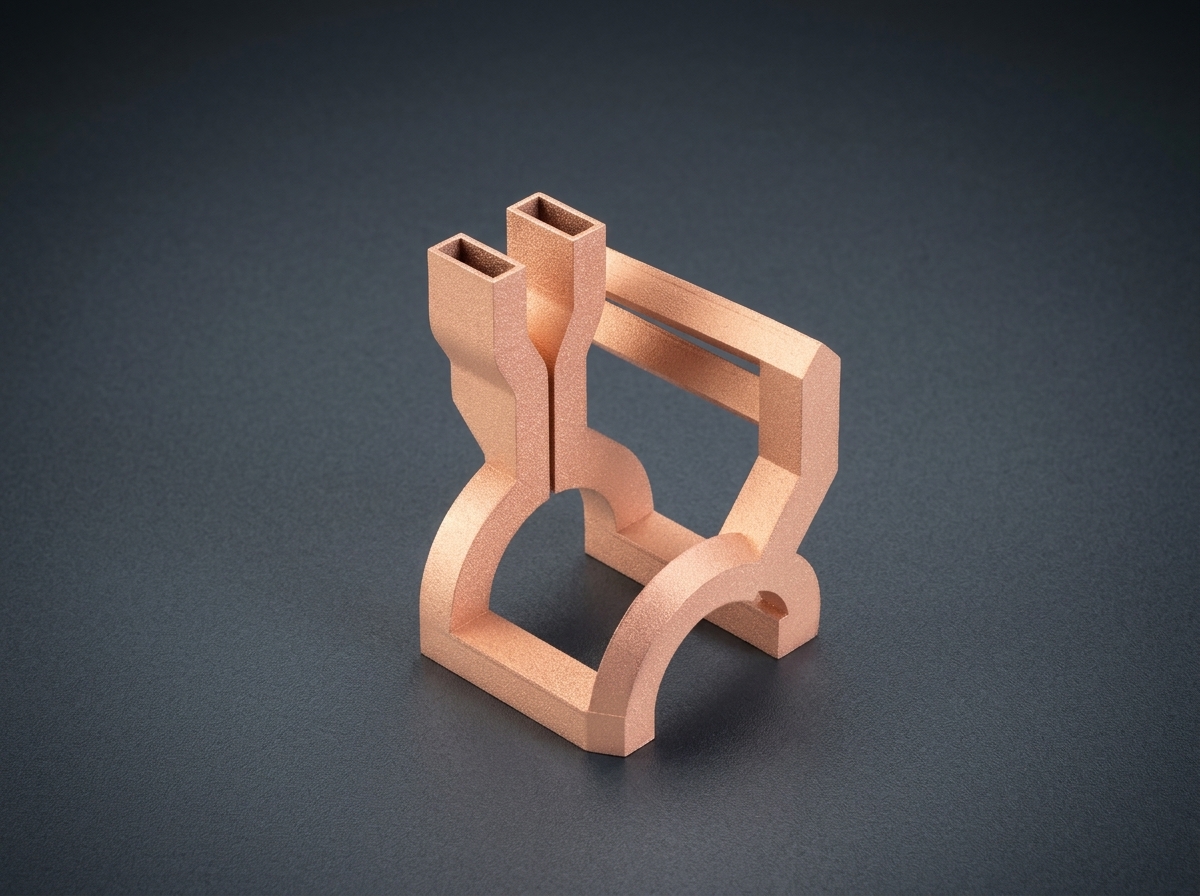
Monolithic Pure Copper Induction Coil
Green-laser LPBF for complex pure copper induction coil geometries with integrated cooling paths.
Core Advantages
- One piece pure copper construction with conformal cooling channels designed around the heated area.
- The integrated design reduces the number of joints and potential leak paths. Thermal fatigue and service life should be evaluated under the specified operating conditions.
Design Freedom Requires Manufacturing Discipline
A printable coil design must consider electrical function, cooling access, powder removal and post-processing from the beginning.
Conformal Coil Profiles
Shape coil geometry around the target heating area and available installation space.
Integrated Cooling Paths
Plan internal cooling passages together with inlet, outlet and powder-removal access.
Functional Interfaces
Define electrical, fluid and mounting interfaces for the final assembly.
Build-Oriented Engineering
Review wall transitions, build orientation, support access and finishing requirements before production.
Copper Material Selection Starts With the Application
Material selection should be based on electrical performance, mechanical requirements, operating temperature and the intended service environment.
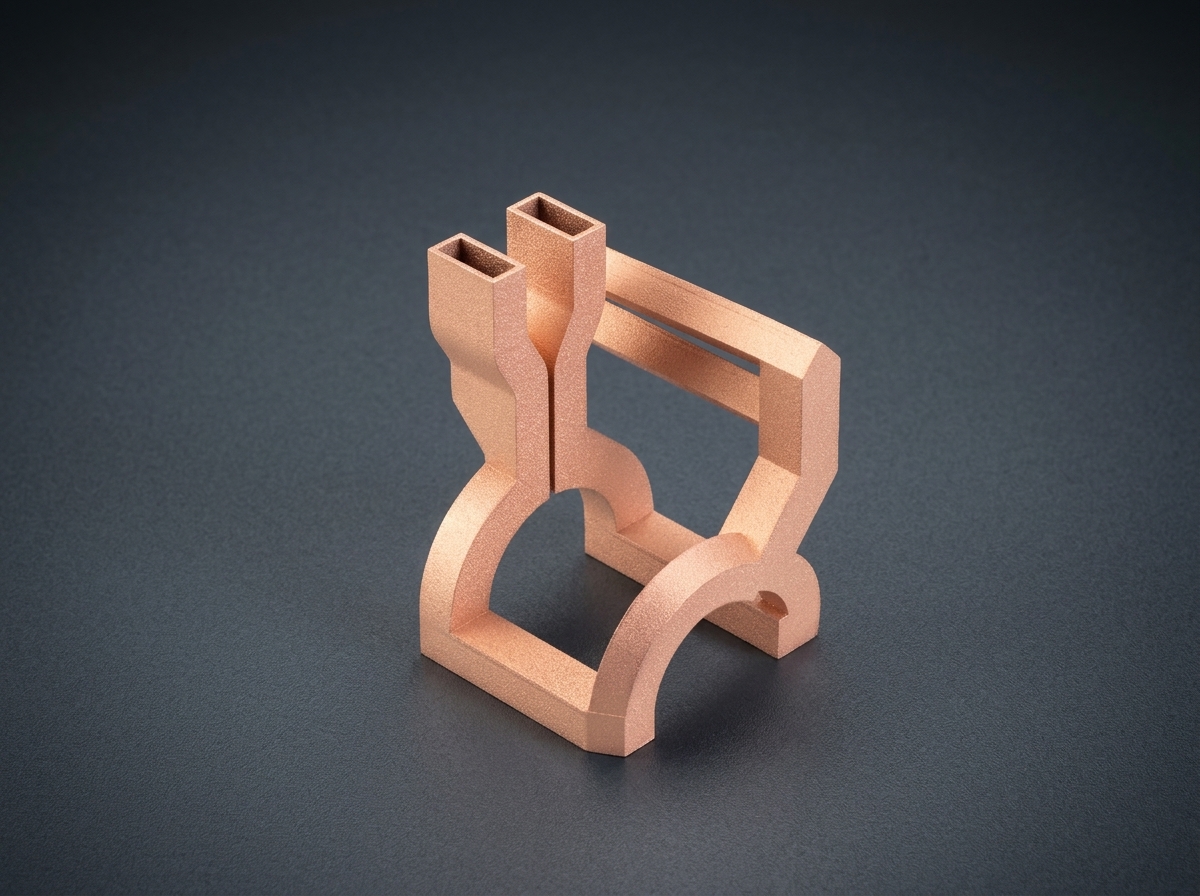
Pure Copper
High conductivity material for cooling plates, heat sinks, busbars, and thermal components in power electronics.
Learn More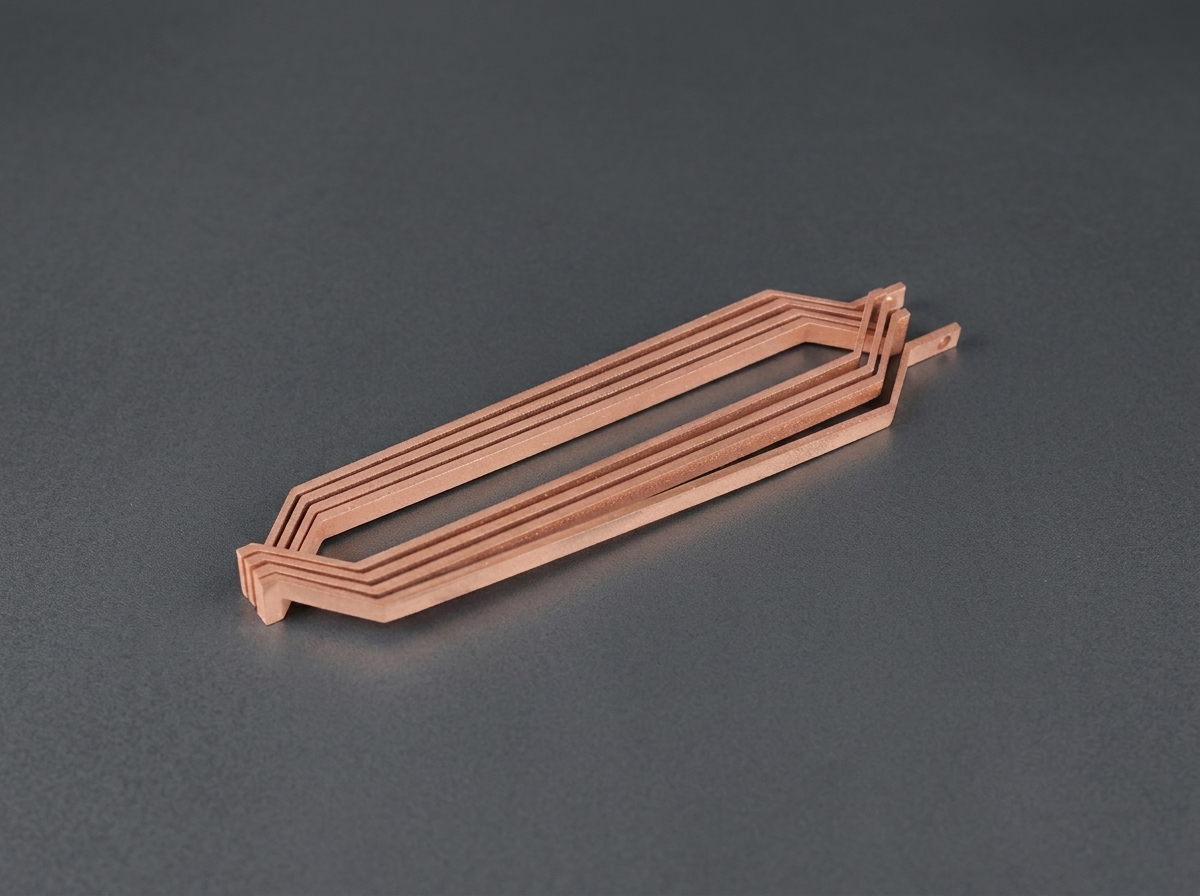
CuCrZr
Copper alloy for components that need both conductivity and strength under elevated temperature conditions.
Learn MoreConventional Coil Assembly and LPBF Coil Design
The right manufacturing route depends on geometry, application requirements and expected production volume.
From Coil CAD to Manufacturing Review
Each project begins with the operating conditions, not only the geometry.
Upload CAD or Drawing
Securely upload your 3D models
Material and Design Review
Select material, quantity & parameters
Metal 3D Printing and Post Processing
Review pricing & shipping details
Inspection and Delivery
Feasibility check & 24h order confirmation
How to Start a 3D Printed Cooling Project
Upload your CAD file, drawing, or cooling requirements. Addireen can review material options, manufacturability, internal channel design, powder removal, post-processing needs, and production feasibility.
Manufacturing Test Records for Induction Coil Samples
Available records focus on material condition, channel integrity and dimensional characteristics. Final heating performance requires application-specific validation.
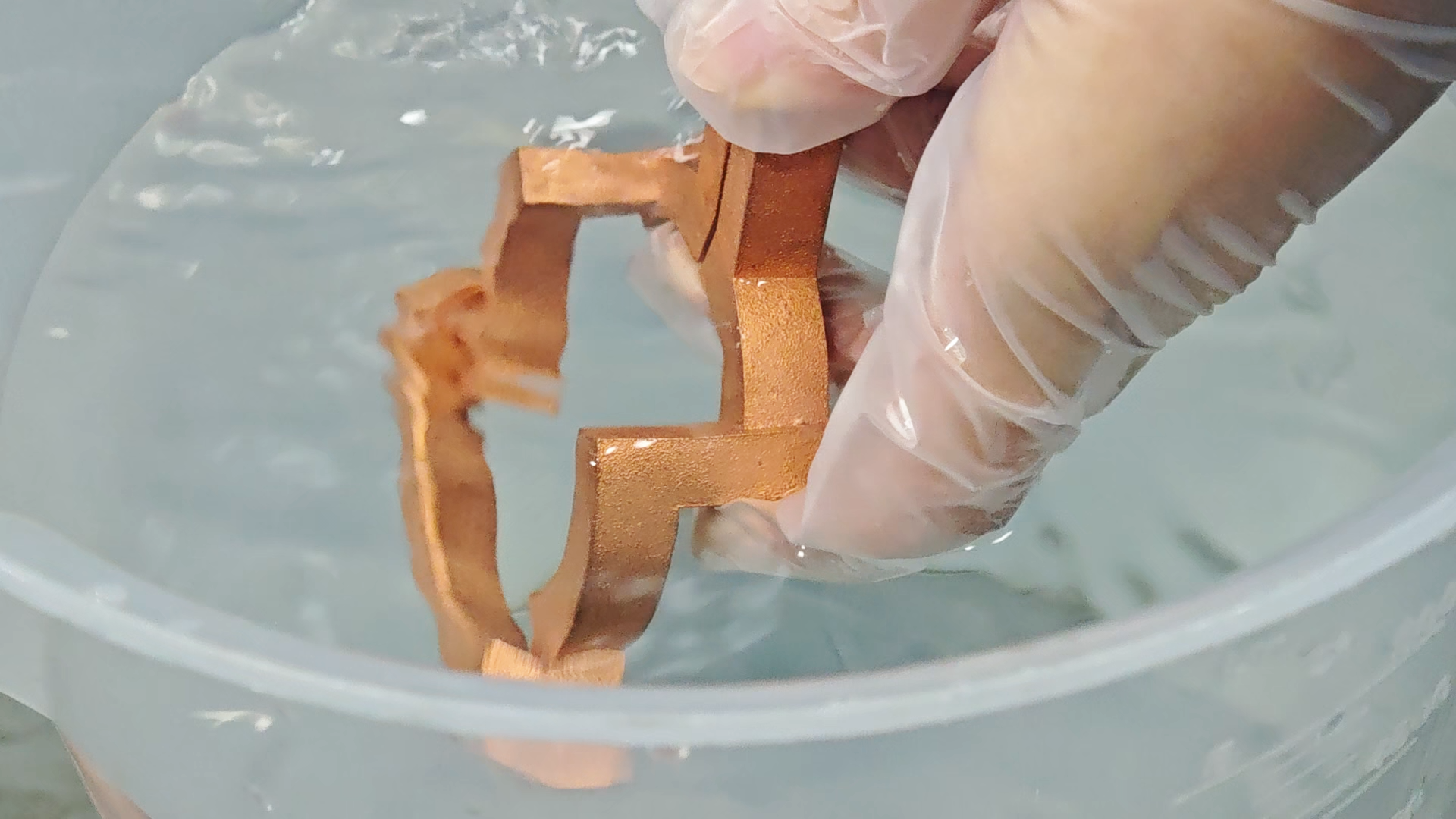
Leak Integrity
The tested coil configuration was leak-tested at 0.8 MPa and held for 18 hours after one-end welding.
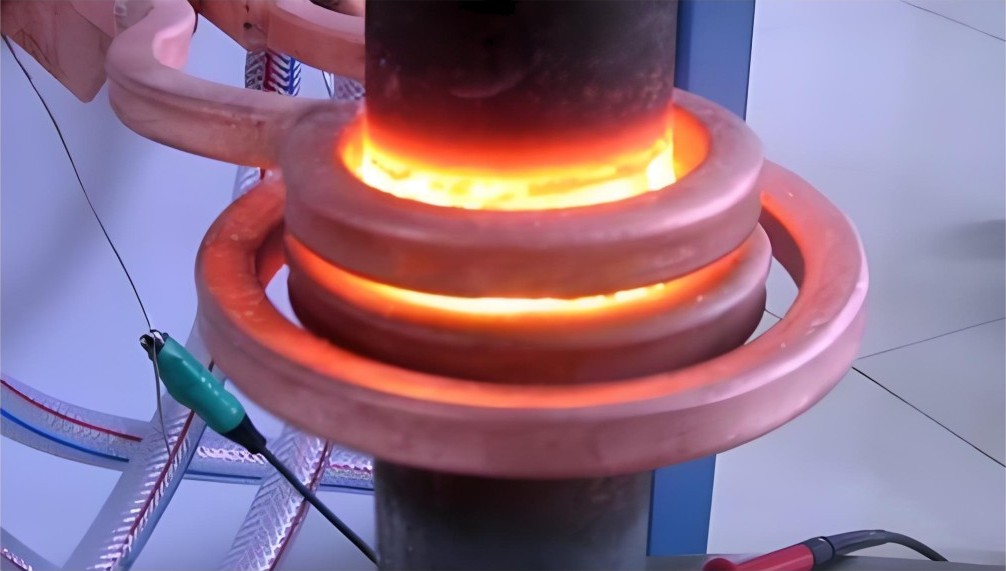
Electrical Conductivity
Electrical conductivity was measured with a conductivity meter and recorded at 97–98% or above.
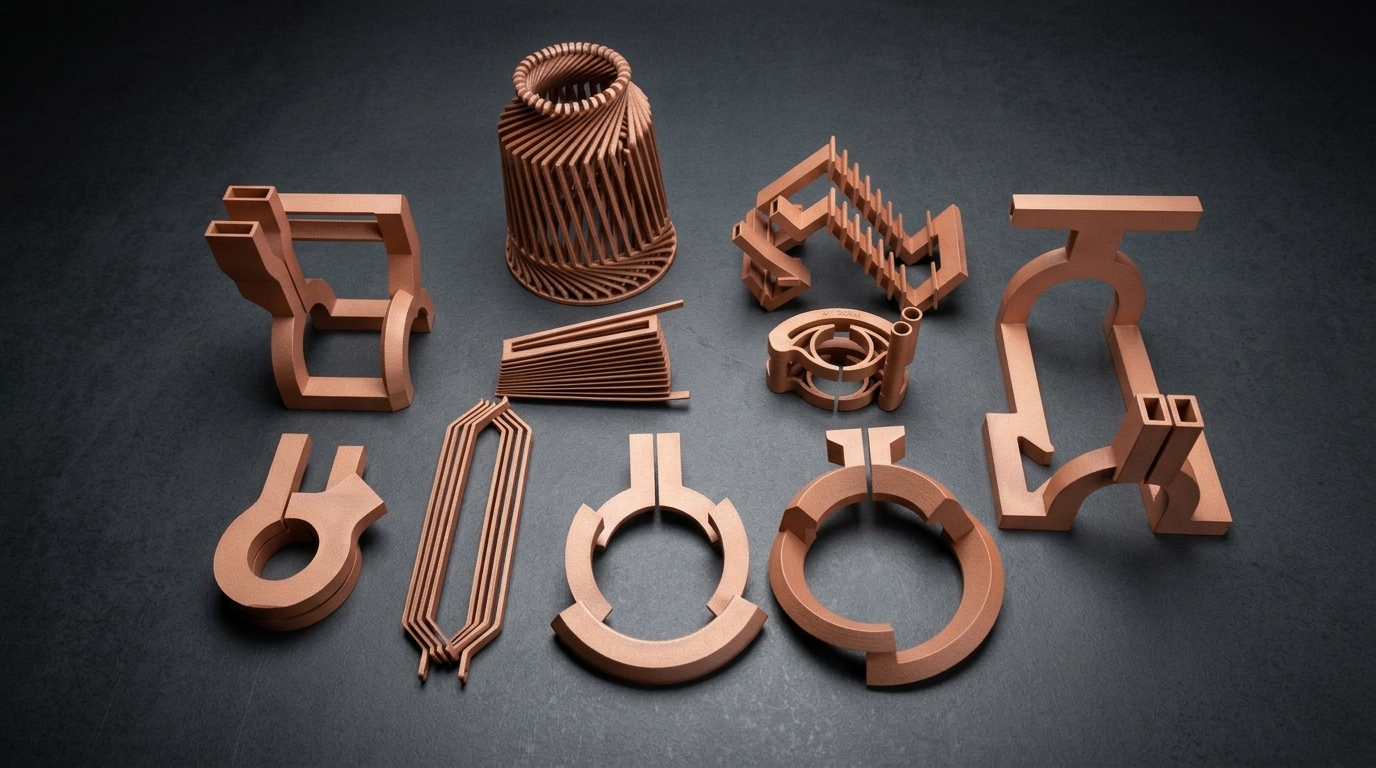
Density and Channel Integrity
Density was evaluated using the drainage method. Water-flow verification was also conducted at 10–15 bar with no leakage.
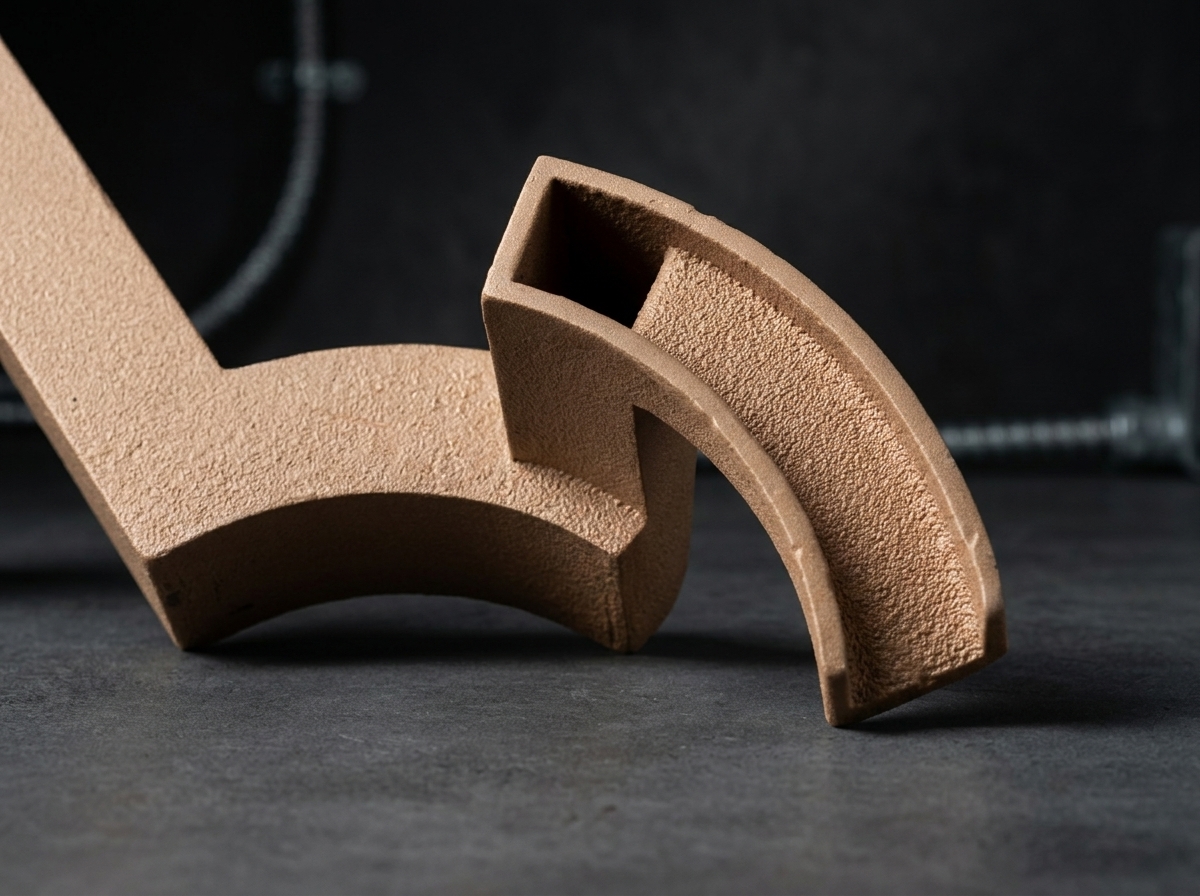
Internal Surface and Dimensions
Internal wall condition was examined under uniform-flow conditions. Ra <10 μm.
Induction Coil Additive Manufacturing FAQ
Find answers to common questions about our green laser metal 3D printing technology, materials, and services
Discuss Your Induction Coil Design
Send your CAD model and operating requirements for a review of material options, printability, cooling access and post-processing needs.