3D Printed Induction Coils in Pure Copper and CuCrZr
When Conventional Coil Manufacturing Becomes a Design Constraint
Bent copper tube and brazed assemblies remain suitable for many established coils. Additive manufacturing is most relevant when geometry or assembly complexity becomes the limiting factor.
Restricted Coil Geometry
Tube bending and tool access can limit the routing of coils around complex workpiece profiles.
Multiple Brazed Interfaces
Complex assemblies may require several joined sections that need to be inspected and maintained.
Cooling Layout Limits
Conventional tube paths may restrict how cooling passages and connection points are arranged.
Slow Design Revision
A coil redesign can require new bending steps, fixtures and assembly work before testing begins.
Induction Coil Applications We Can Review
We support engineering review for application-specific coil designs rather than offering one standard coil geometry.
High-Strength CuCrZr Coil
Coils designed to apply controlled heat around joints, fittings and defined joining areas.
Core Advantages
- The CuCrZr body incorporates an internal lattice structure to support stiffness and reduce deformation during operation.
- Dimensional stability should be evaluated against the actual mechanical load, thermal cycle and operating conditions.
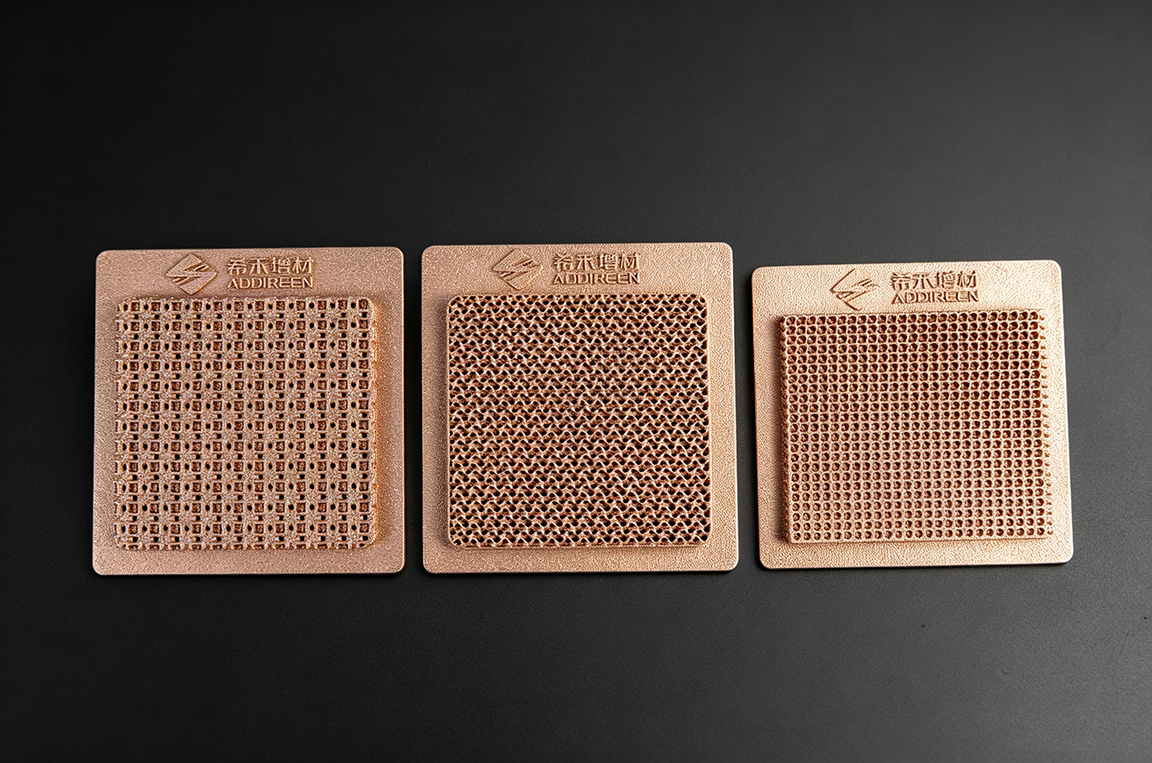
Automotive Heat Exchanger
Designed for EV battery, motor, and power electronics cooling where compact structure, lightweight design, and reliable fluid channels are required.
Core Advantages
- Application:Cooling for EV battery systems, electric motors, power electronics, and compact automotive thermal systems.
- Challenge:Traditional heat exchangers can be limited by brazed joints, simple channel layouts, and packaging constraints in compact EV systems.
- Addireen Solution:Addireen uses metal 3D printing to manufacture integrated heat exchangers with complex internal channels, thin walls.
- Engineering Value:Supports better heat transfer, lower assembly risk, compact packaging, and faster thermal design validation for EV programs.
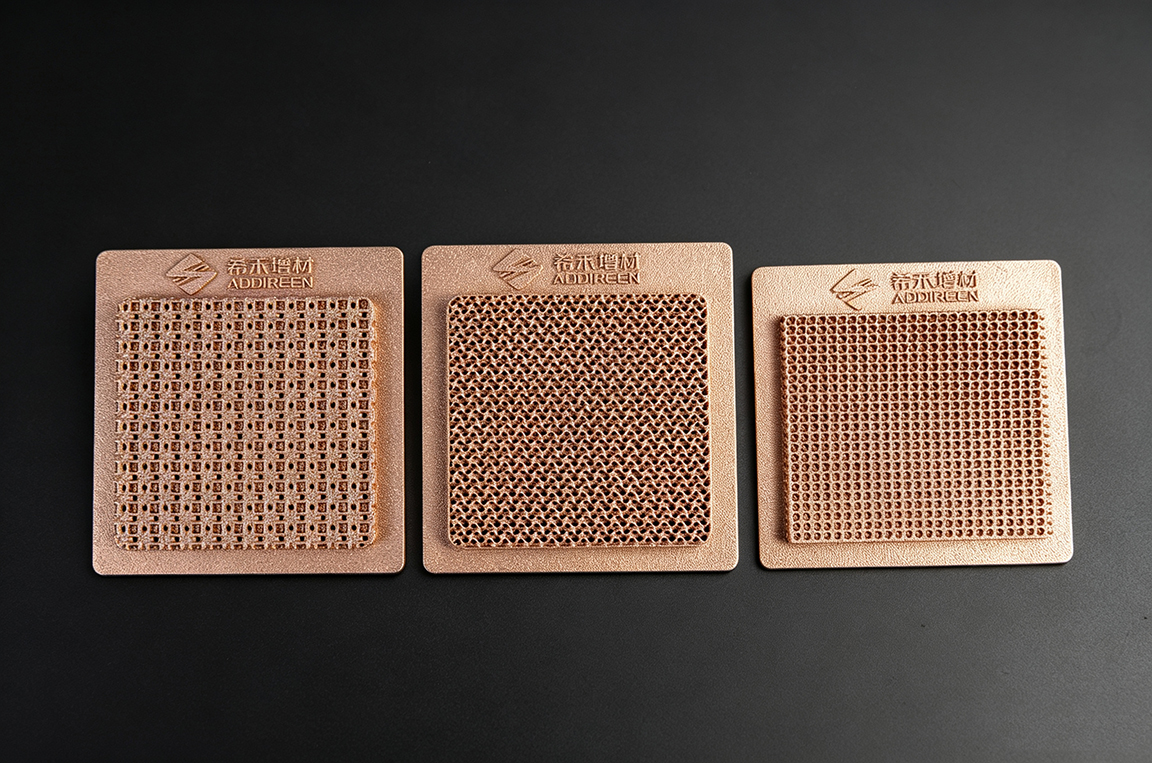
IGBT Heat Sink
Designed for IGBT power modules in EVs or industrial controls, breaking the limits of traditional cold-forged pin fins.
Core Advantages
- Application:Thermal management for IGBT power modules in EVs, industrial drives, and high power electronic systems.
- Challenge:Traditional pin fin heat sinks face geometry limits, making it difficult to improve heat dissipation within the same installation space.
- Addireen Solution:Addireen manufactures optimized pin fin surfaces and internal cooling features through metal 3D printing, allowing more flexible thermal structures than conventional manufacturing.
- Engineering Value:Improves thermal efficiency within limited space and supports faster design iteration for EV power modules.
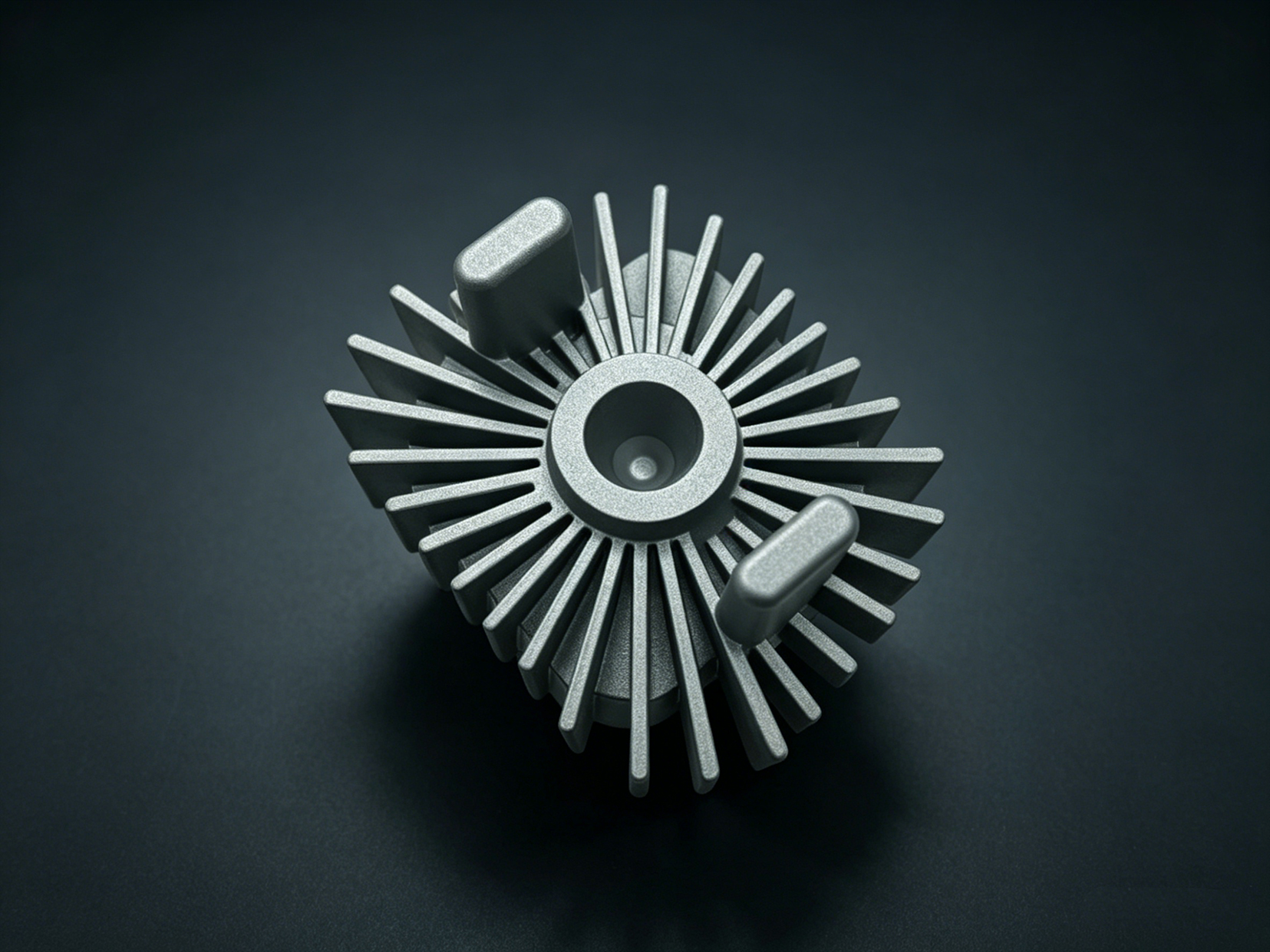
Transmission and Gearbox Components
Integrated metal 3D printed housings and internal oil passages for drivetrain systems that need lighter weight, smoother flow, and faster design iteration.
Core Advantages
- Application:Lightweight housings and internal flow structures for EV drivetrains, racing systems, and precision mobility components.
- Challenge:Conventional machining can limit internal oil passages, weight reduction, and part integration in complex gearbox housings.
- Addireen Solution:Addireen uses metal 3D printing to integrate curved oil passages, lightweight structures, and complex housing features into one functional part.
- Engineering Value:Improves lubrication flow, reduces part weight, and shortens development cycles for customized drivetrain components.
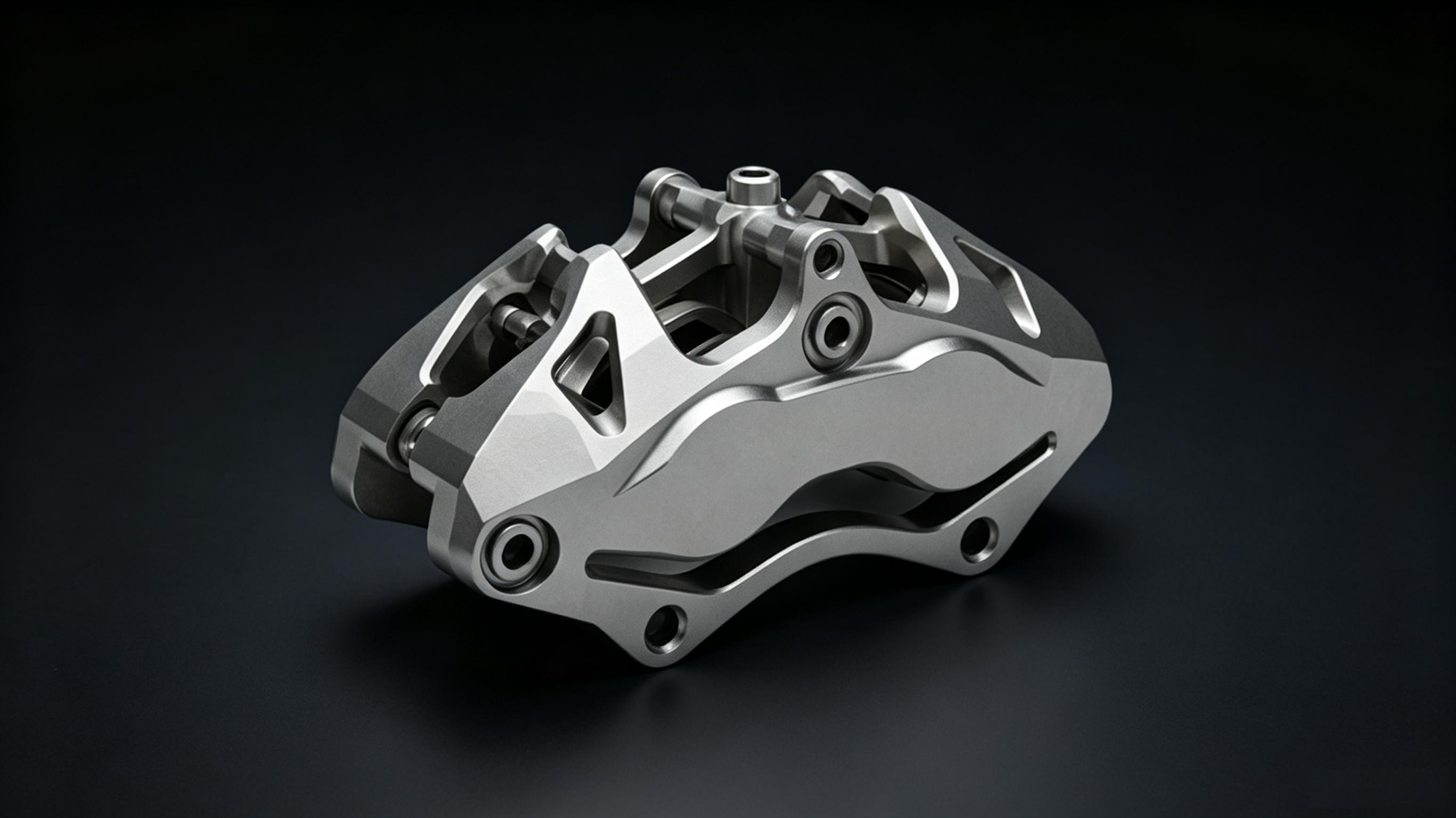
Brake Calipers
Lightweight metal 3D printed brake components for racing and performance vehicles, balancing stiffness, weight reduction, and integrated fluid channels.
Core Advantages
- Application:Lightweight brake components for racing, performance vehicles, and advanced mobility systems.
- Challenge:Brake calipers need high stiffness, low weight, reliable fluid channels, and sufficient cooling performance within a compact structure.
- Addireen Solution:Addireen supports topology optimized caliper structures with integrated fluid channels and weight saving geometry using metal 3D printing.
- Engineering Value:Reduces unsprung mass, improves structural efficiency, and supports customized brake designs without tooling.
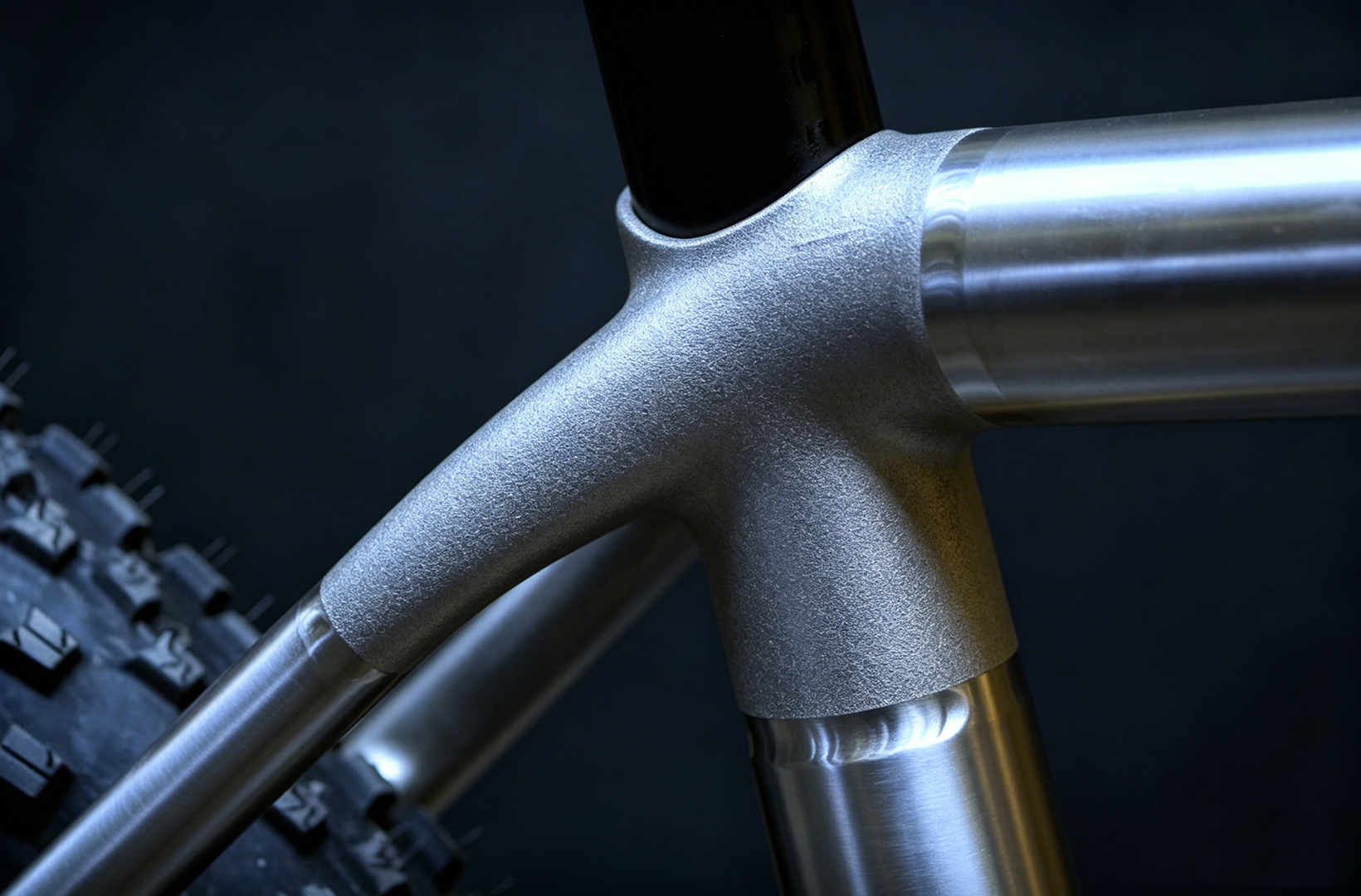
Topology Optimized Frame Nodes
Custom titanium or aluminum frame nodes for cycling and micromobility, enabling flexible geometry, reduced tooling cost, and lighter structural assemblies.
Core Advantages
- Application:Customized structural nodes for bicycle frames, micromobility products, and lightweight mobility structures.
- Challenge:Traditional frame joints often require fixed tooling, welding, and limited geometry options, which can restrict customization and weight reduction.
- Addireen Solution:Addireen manufactures customized titanium or aluminum frame nodes based on load paths, tube angles, and assembly requirements.
- Engineering Value:Supports lighter structures, flexible geometry changes, reduced tooling cost, and faster product development for custom mobility frames.
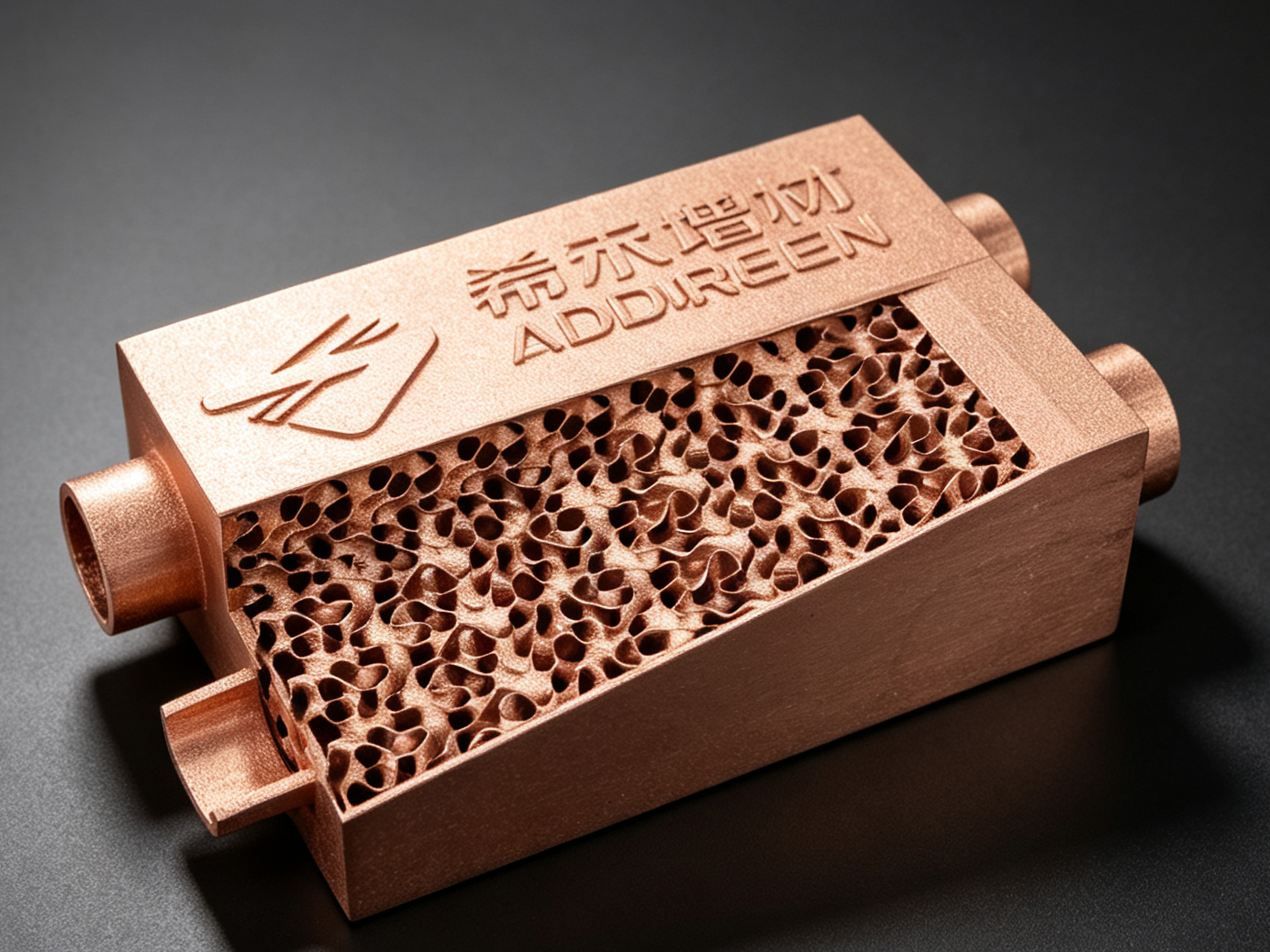
Pure Copper
High conductivity material for cooling plates, heat sinks, busbars, and thermal components in power electronics.
Learn More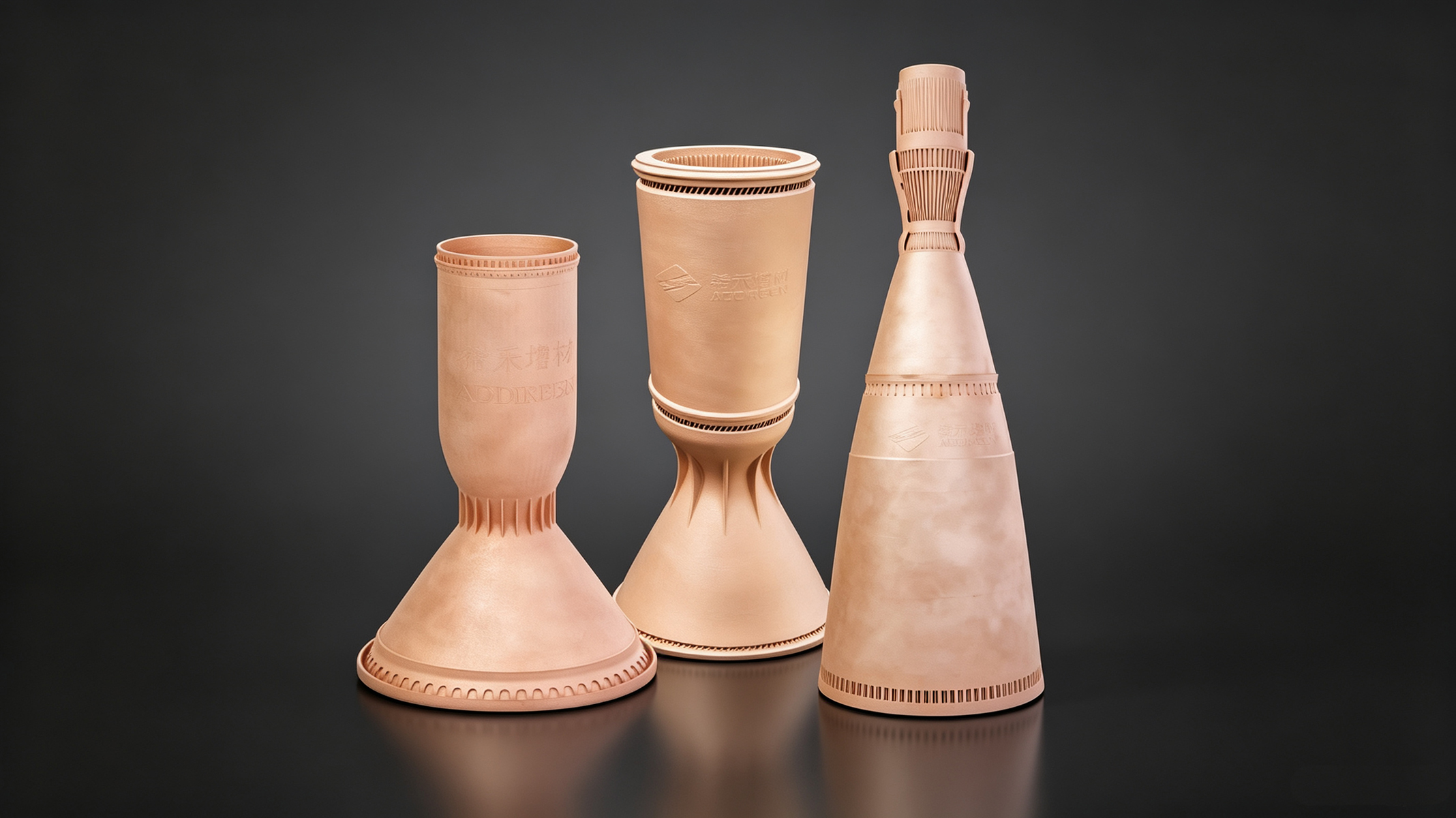
CuCrZr
Copper alloy for components that need both conductivity and strength under elevated temperature conditions.
Learn More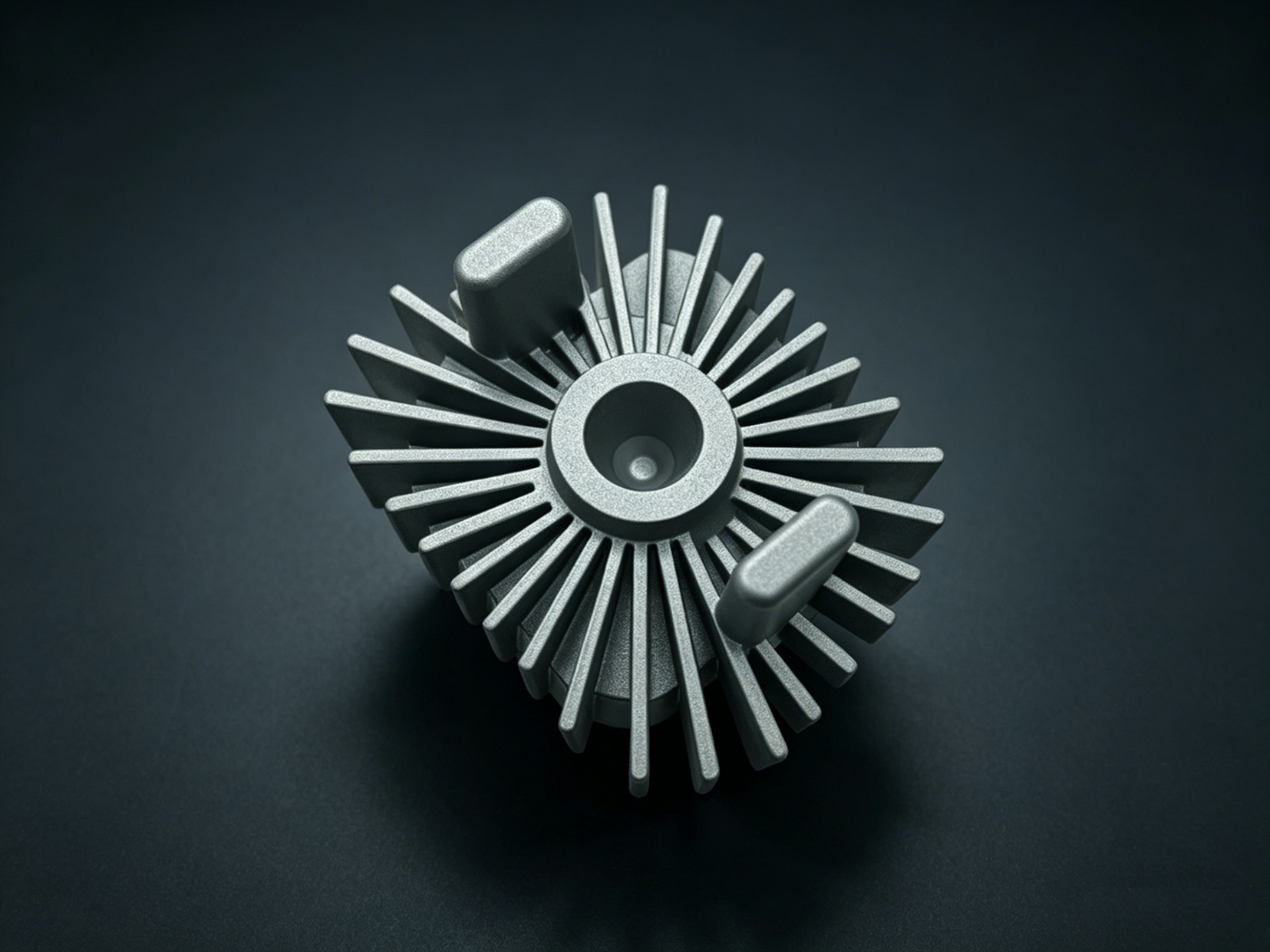
AlSi10Mg
Lightweight aluminum alloy for EV heat exchangers, cooling channels, housings, and structural mobility components.
Learn More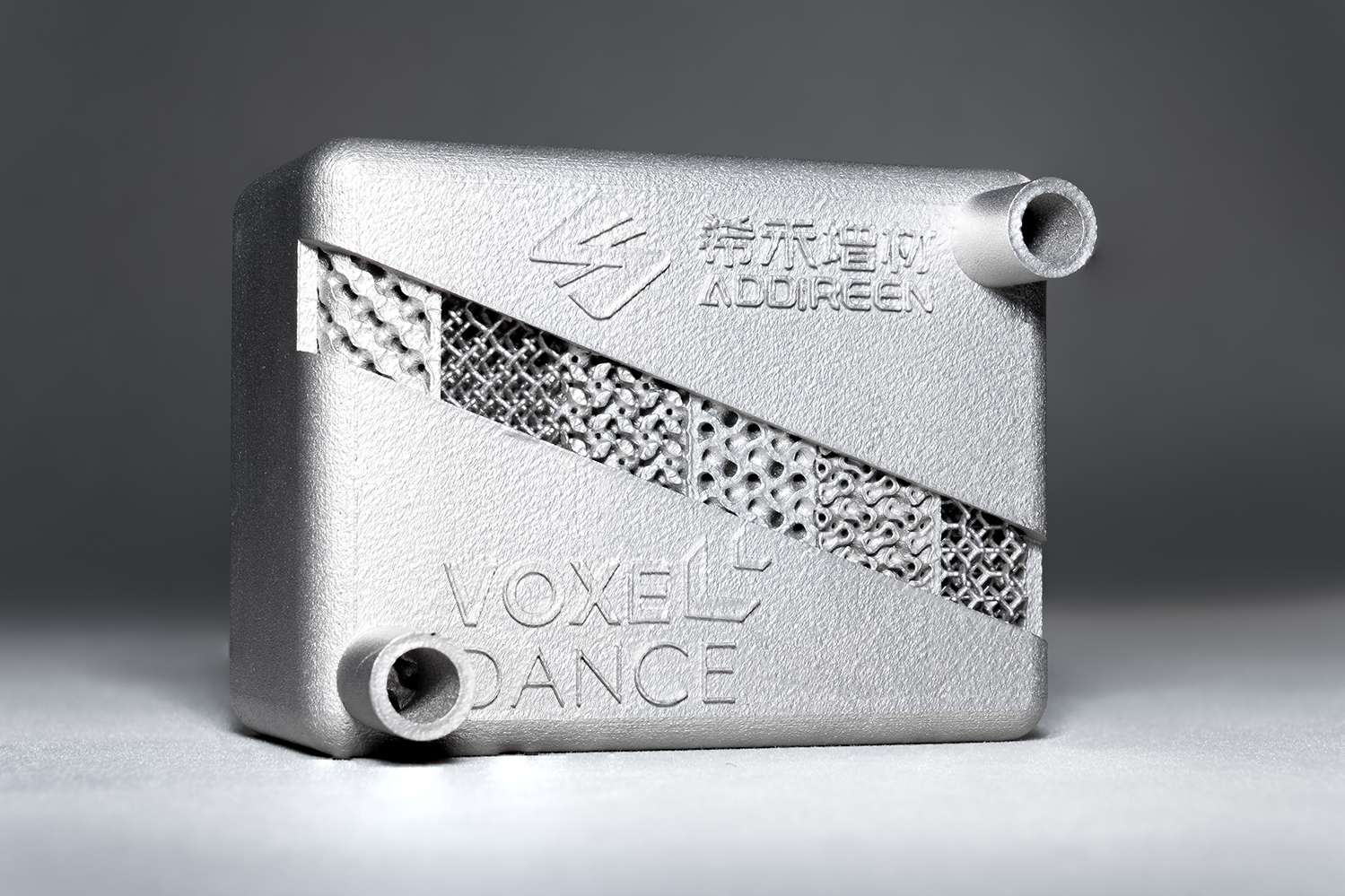
316L Stainless Steel
Corrosion resistant material for fluid channels, manifolds, and durable functional parts.
Learn More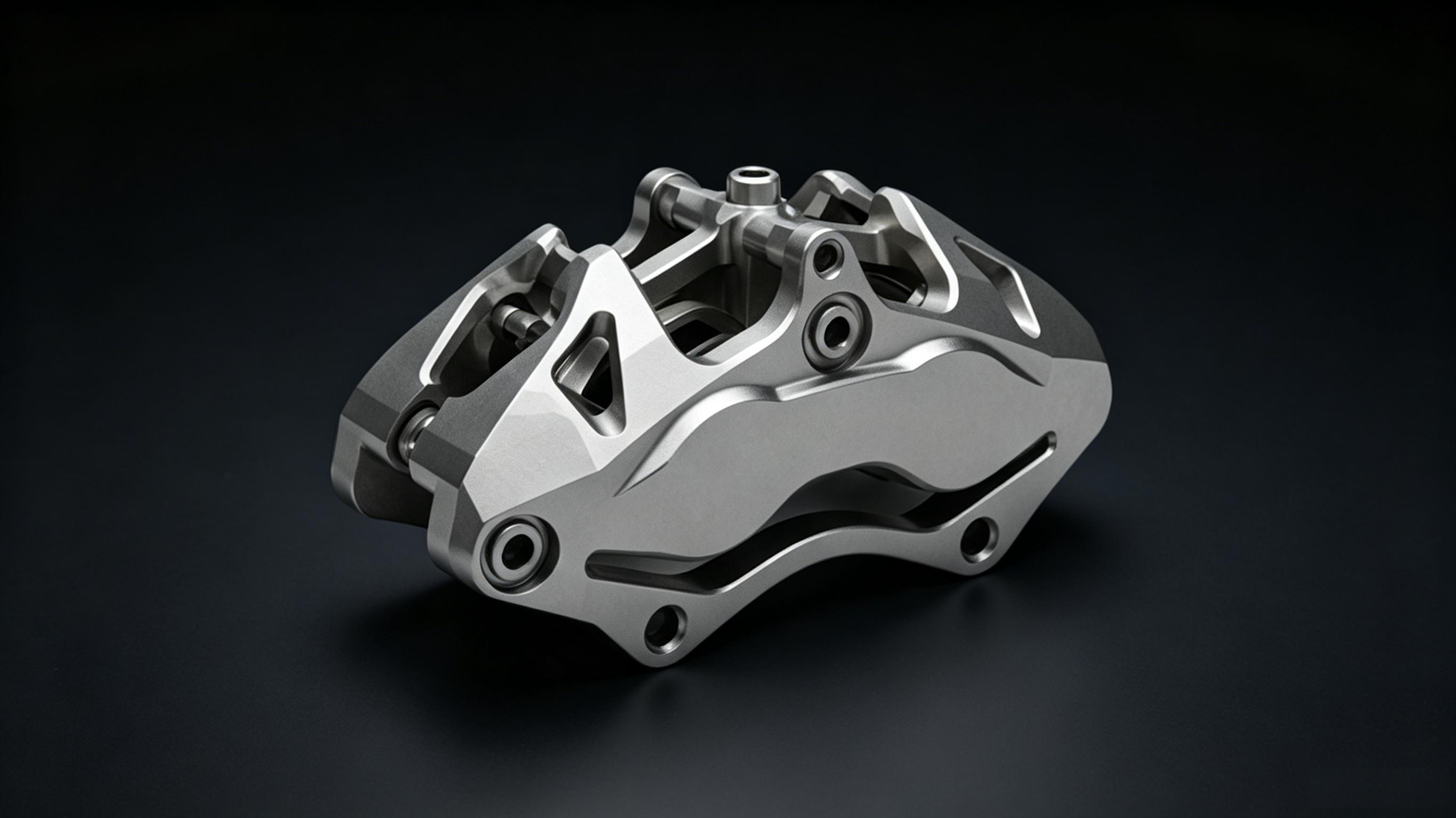
Ti6Al4V
Titanium alloy for lightweight structural parts, frame nodes, brackets, and demanding mobility components.
Learn MoreMetal 3D Printing Advantages for EV and Smart Mobility
Metal additive manufacturing helps engineers combine cooling performance, lightweight design, part integration, and faster design iteration in mobility applications.
Lightweight Engineering
Topology optimization and lattice structures help reduce mass while maintaining strength and stiffness.
Thermal and Fluid Optimization
Complex internal channels help improve cooling, oil flow, pressure control, and fluid distribution in compact mobility systems.
Integrated Assembly
Metal 3D printing can combine channels, manifolds, housings, and structural features into fewer parts, reducing assembly risk.
Faster Design Iteration
Tooling is not required, making it easier to test new cooling structures, lightweight parts, and customized mobility components.
How to Start an EV or Mobility 3D Printing Project
Upload your CAD file, drawing, or project requirements. Addireen can review material options, cooling structure, wall thickness, post processing, inspection, and production feasibility.
Upload CAD or Drawing
Securely upload your 3D models
Material and Design Review
Select material, quantity & parameters
Metal 3D Printing and Post Processing
Review pricing & shipping details
Inspection and Delivery
Feasibility check & 24h order confirmation
EV and Thermal Management White Papers
Explore green laser metal 3D printing for copper heat exchangers, cooling plates, and power electronics thermal components.
Download White PapersFAQ for EV and Smart Mobility 3D Printing Projects
Find answers to common questions about our green laser metal 3D printing technology, materials, and services
Start Your Mobility 3D Printing Project
Send your automotive, EV, racing, or cycling component design for engineering review. Addireen can evaluate material options, manufacturability, post processing, inspection needs, and production feasibility.