316L Stainless Steel Heat Exchanger Engineering Case Study
316L Stainless Steel Heat Exchanger Engineering Case Study
What You Will Find in the Case Study:
- Six Internal Structure Designs: Review the TPMS and lattice structures integrated into a single 316L demonstrator.
- Qualitative Flow Observations: See how the six structures were observed under the defined experimental conditions.
- Manufacturing Results and Validation Roadmap: Review the LPBF build records and the additional testing required before product qualification.
Download the Case Study
Complete the form for immediate access to the full engineering case study.
What You Will Find in the Case Study
A structured engineering record covering internal geometry, flow observation, LPBF manufacturing and validation boundaries.
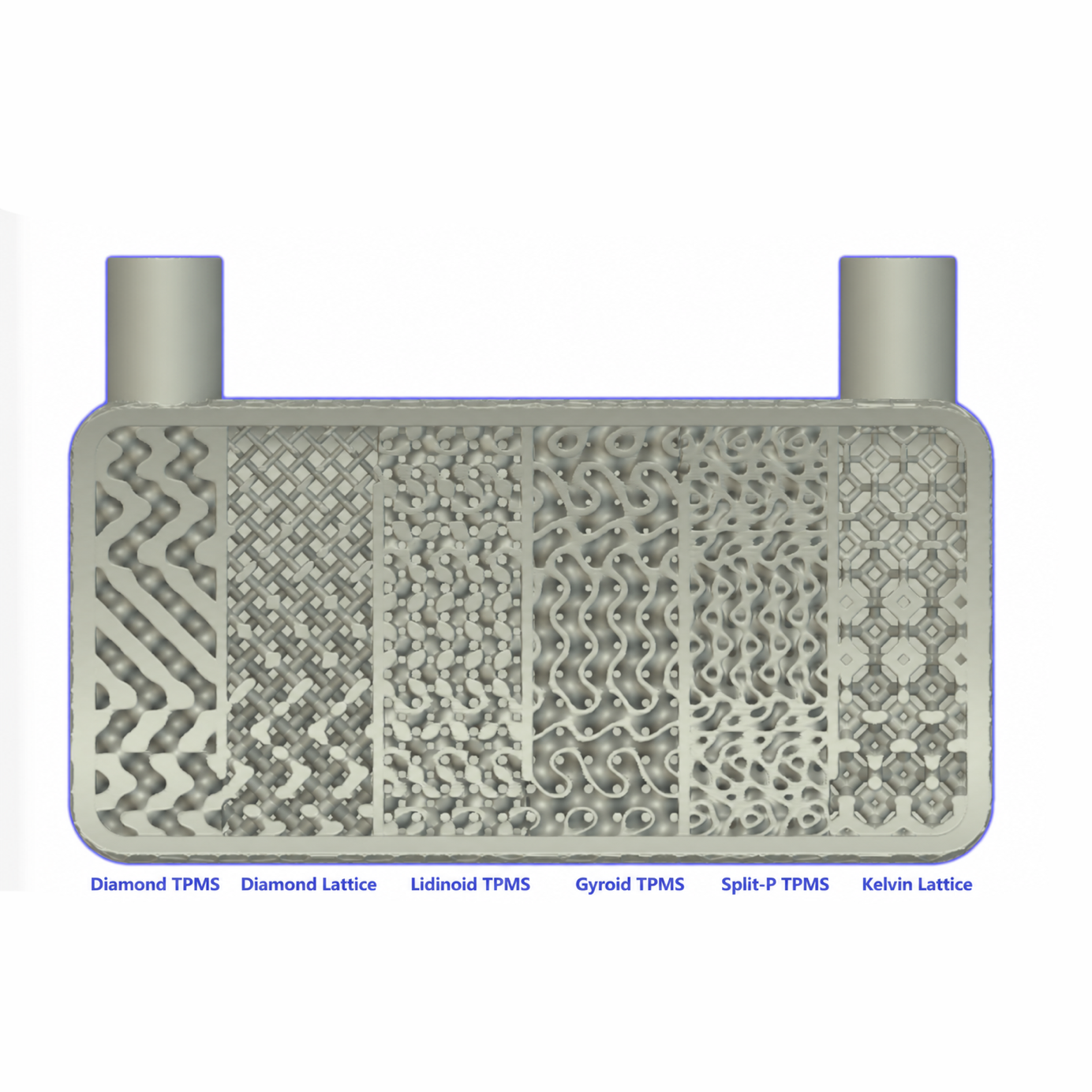
Six Internal Structure Concepts
Review the TPMS and lattice structures integrated into a single 316L demonstrator.

Qualitative Flow Observations
See how the six structures were observed under the defined experimental conditions.
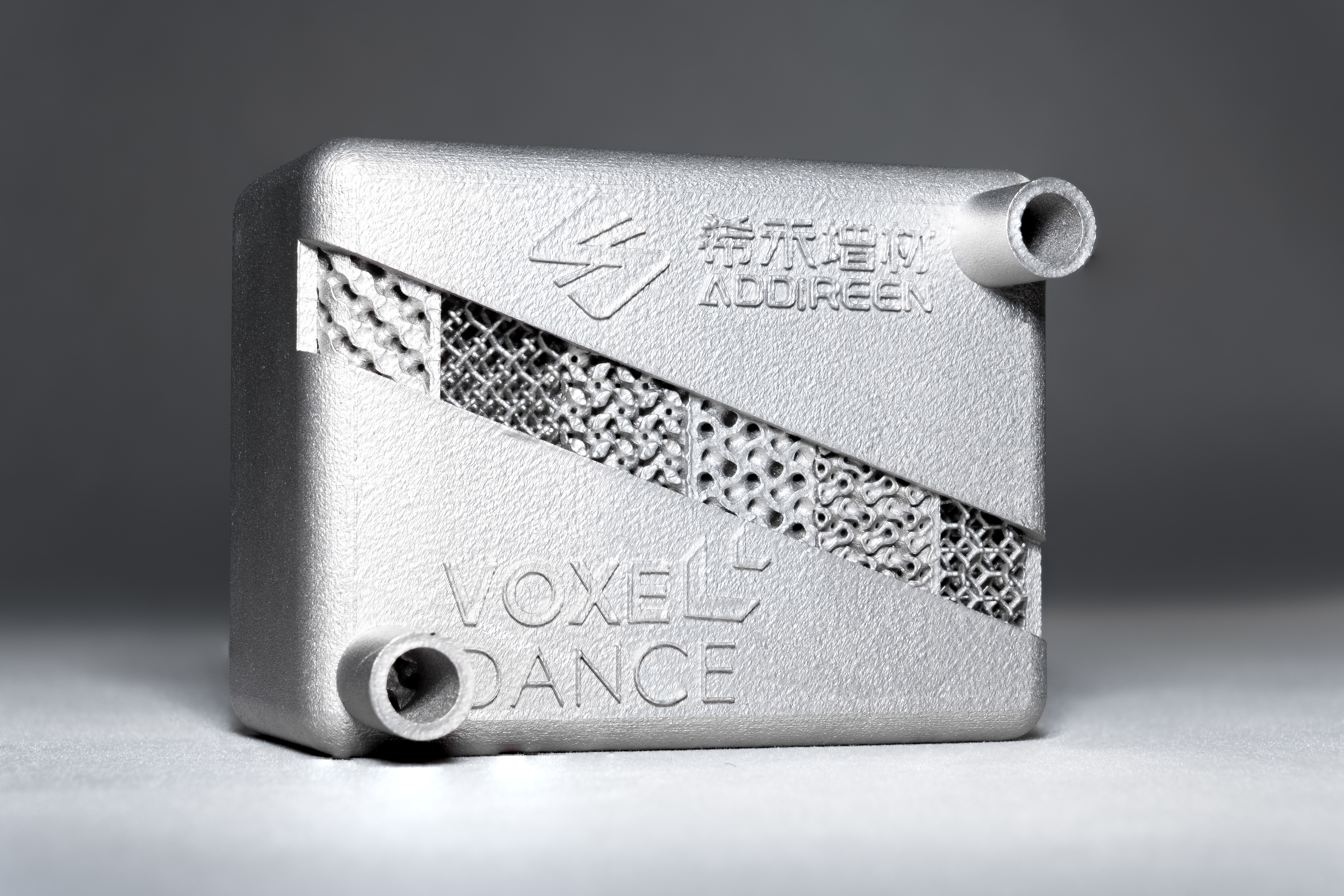
Green-Laser LPBF Build Records
Review the recorded wall thickness, surface roughness and build density of the demonstrator.
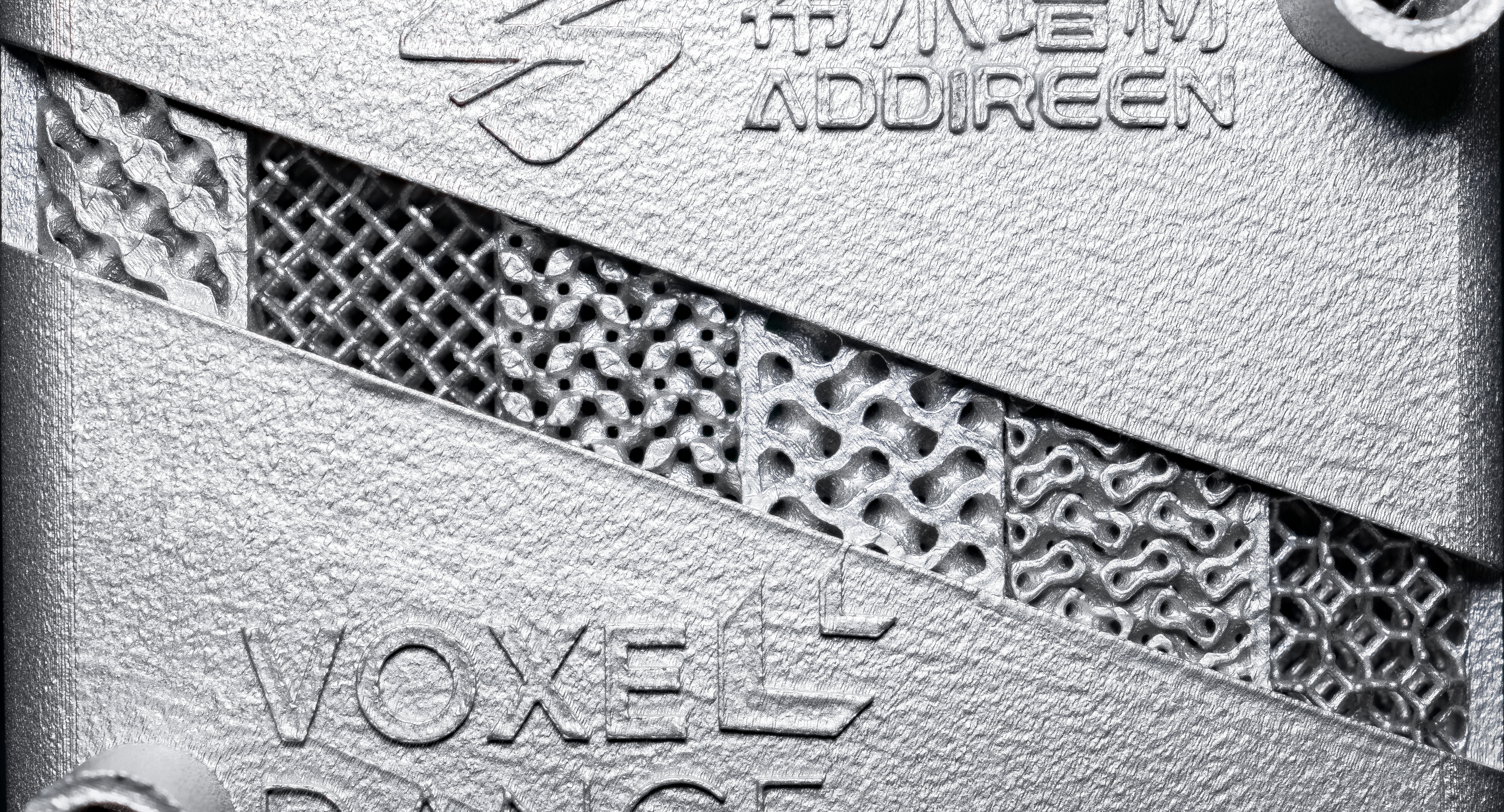
Product Validation Roadmap
Understand the thermal, hydraulic, cleanliness and durability testing required before product use.
Key Records from the Demonstrator
hese values are specific to the demonstrator described in the case study. They do not represent validated heat exchanger performance or general production specifications.
6
Internal Structures
0.3 mm
Minimum Recorded Wall Thickness
Ra 5–9 μm
Surface Roughness
Up to 99.9%
As-Build Relative Density
Why Download This Case Study?
Use the demonstrator as a reference when evaluating internal structures, LPBF feasibility and the next steps required for a functional heat exchanger.
Compare Internal Structure Concepts
Understand how six TPMS and lattice structures were arranged within the same demonstrator.
Review Manufacturing Feasibility
See the recorded LPBF results for thin walls, surface roughness and build density.
Define the Next Validation Stage
Identify which thermal, hydraulic and product-level tests still need to be completed.
Prepare a More Complete Project Brief
Use the validation framework to define operating conditions, inspection requirements and acceptance criteria.
Support Beyond the Case Study
Addireen supports 316L heat exchanger and thermal component projects from initial manufacturability review through printing, post-processing and inspection coordination.
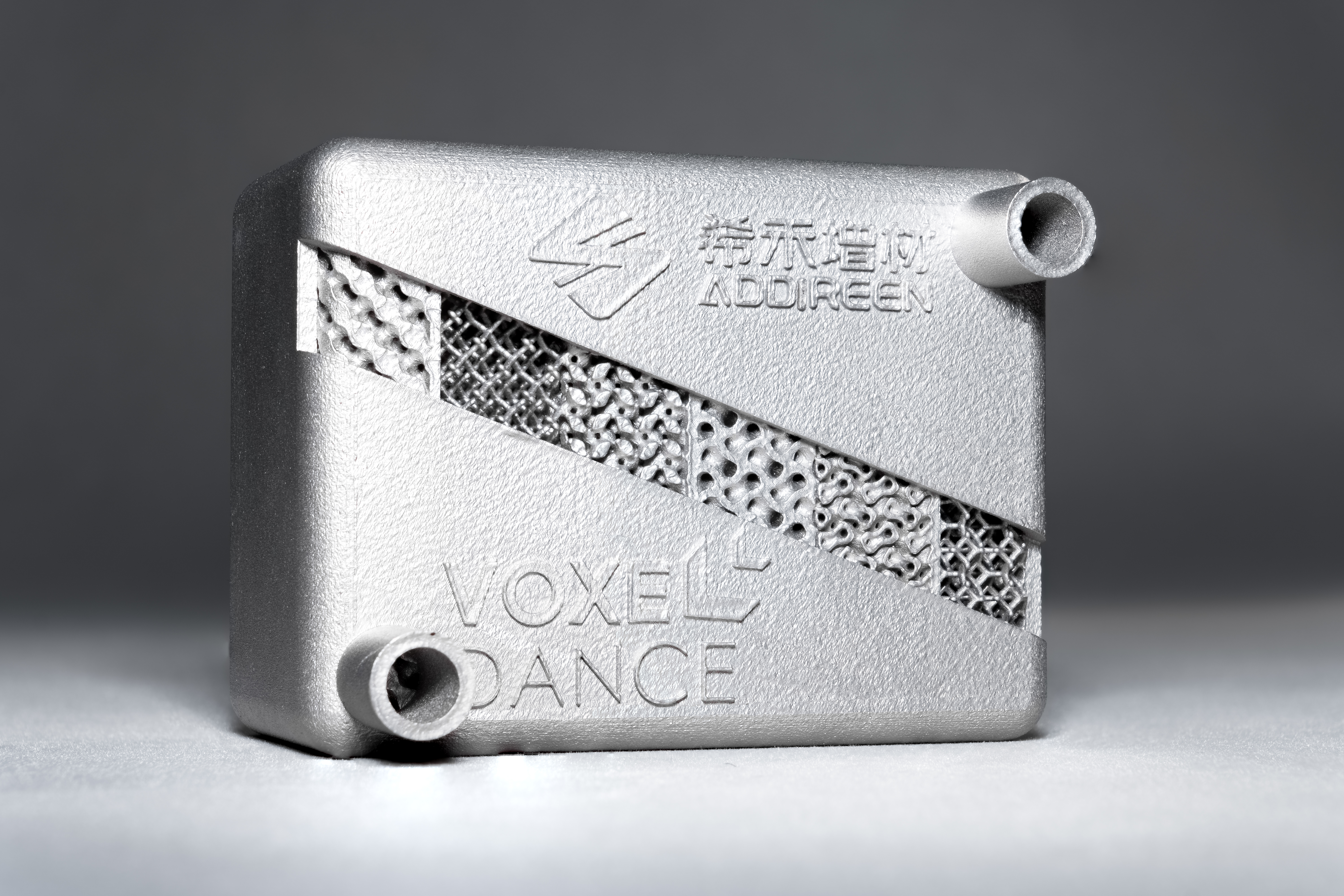
Application-Oriented Engineering Review
Review geometry, wall thickness, internal-channel accessibility, interfaces and project requirements before manufacturing.
316L LPBF Manufacturing
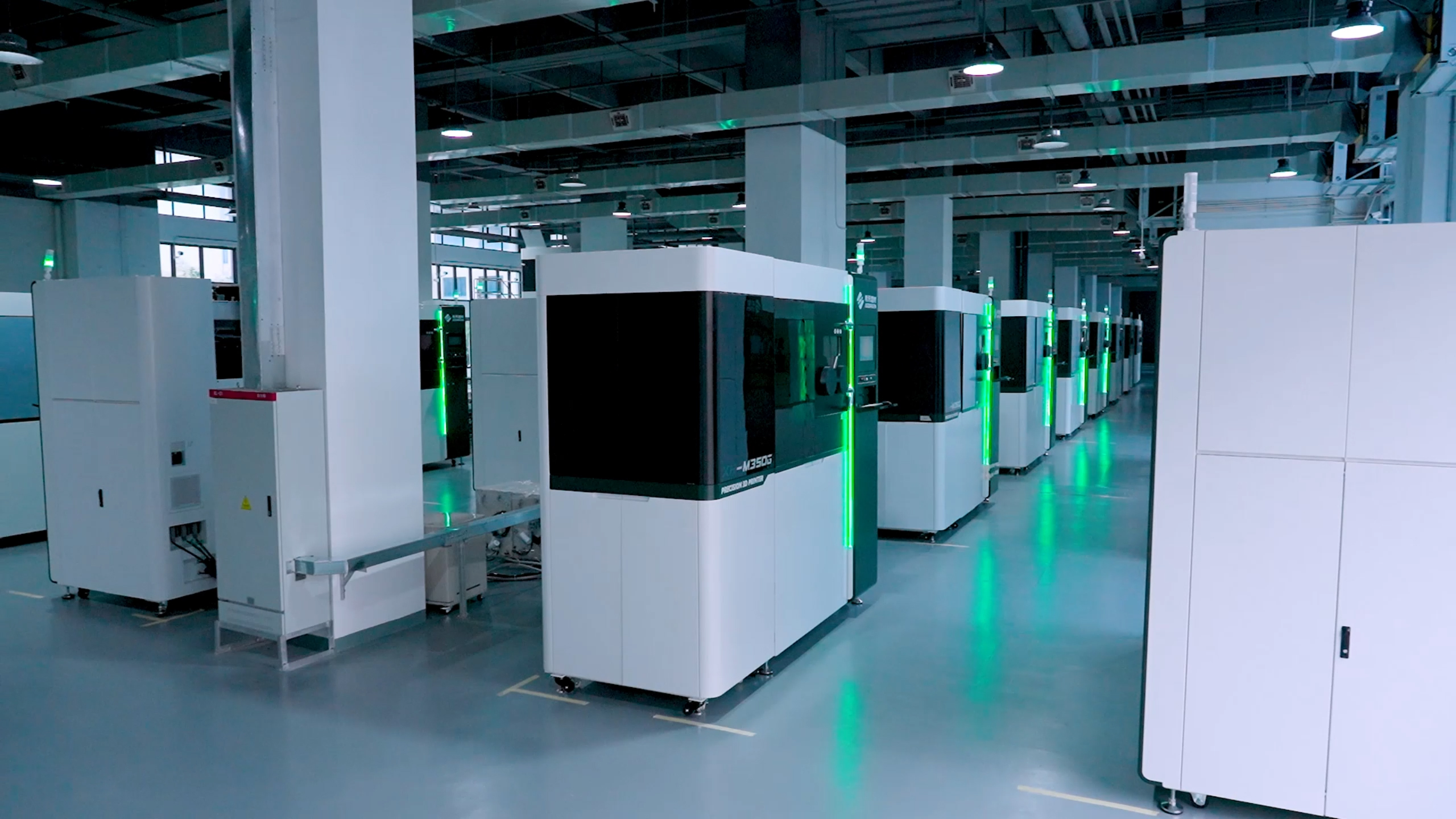
Develop manufacturing plans for complex internal structures and integrated fluid components.
Post-Processing Coordination
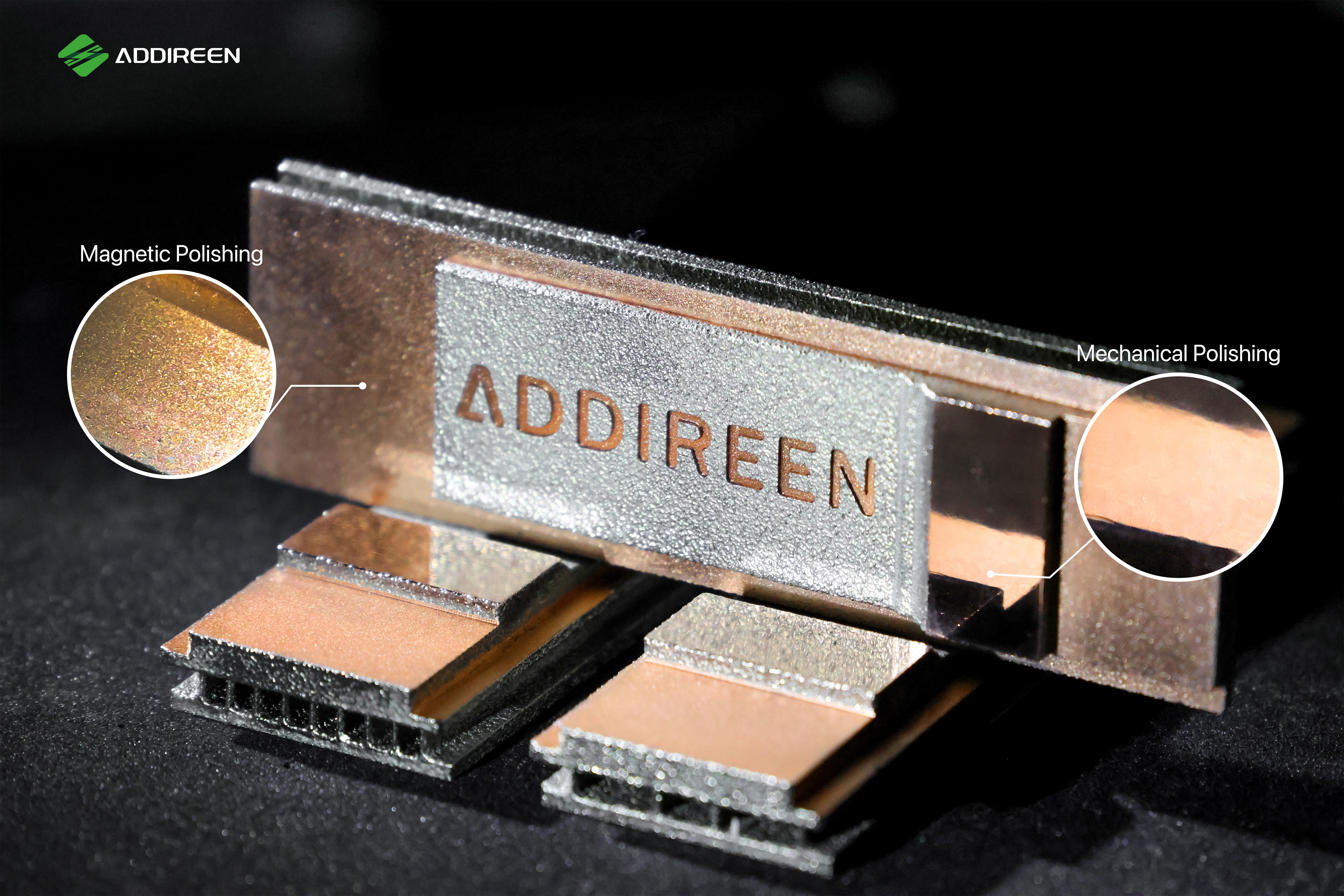
Plan support removal, machining, surface treatment and internal cleaning according to project requirements.
Inspection Planning
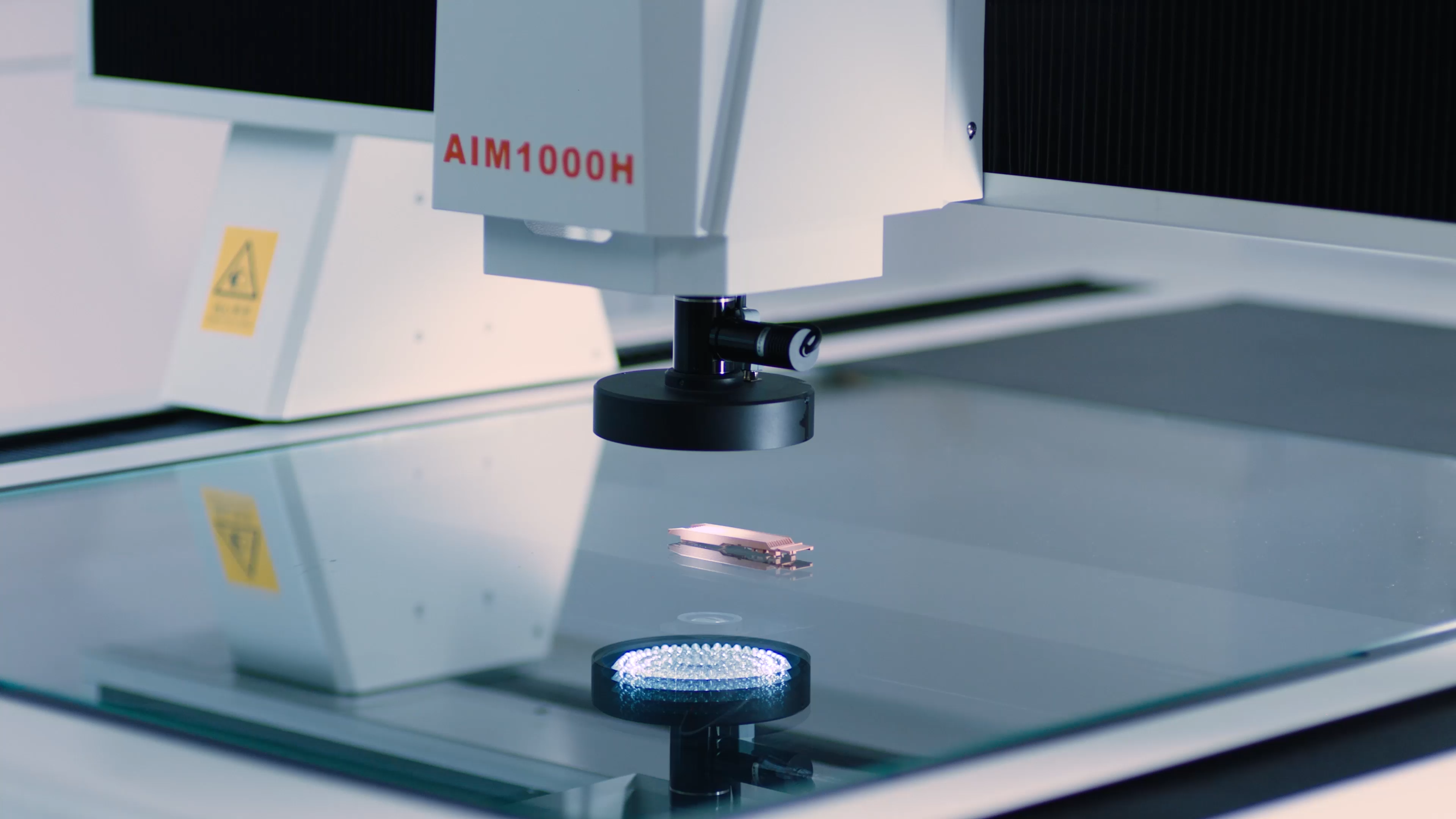
Define dimensional, density, surface and internal-channel inspection requirements for the manufactured sample.
From Demonstrator to Product Qualification
The case study documents the demonstrator stage and identifies the additional validation required before product use.
Completed in This Study
The study records six structures in one 316L demonstrator together with qualitative flow observations and LPBF build results.
Functional Validation Required
Further validation should cover thermal performance, pressure drop, leak tightness, powder removal and particle cleanliness.
Defined for Each Application
Each application requires project-specific review of material compatibility, service life, critical interfaces and acceptance criteria.
Production Qualification Required
Representative builds should confirm process repeatability, dimensional consistency, post-processing controls, inspection methods and traceability.
Have a Similar Heat Exchanger Project?
Submit your CAD model and operating requirements for an application-specific engineering review.