Pure Copper Thermal Engineering Sample Kit
See the Materials. Inspect the Details.
THERMAL SAMPLE KIT ENGINEERING REFERENCE
What You Can Evaluate
- Fine Features and Thermal Structures: Inspect thin walls, micro-holes, lattices and TPMS surfaces.
- Integrated Internal Geometry: Review internal channels, fluid interfaces and powder-removal access.
- Three Material Options: Compare the material and surface characteristics of pure copper, 316L and AlSi10Mg.
REQUEST A SAMPLE KIT
Enter your business details below. We will review your request and contact you to confirm kit availability, contents and shipping arrangements.
A Physical Reference for Early Engineering Evaluation
CAD images and data sheets describe a part, but they do not show how a printed surface, thin wall, lattice or cleaned channel looks and feels in hand. The sample kit provides a physical reference before a custom build or application-specific test program.
Material and Surface
Compare the appearance, weight and surface condition of pure copper, 316L stainless steel and AlSi10Mg samples.
Geometry and Detail
Inspect thin walls, micro-holes, lattice connections, TPMS surfaces and transitions between internal structures and the outer shell.
Manufacturing Route
Review printed surfaces, machined interfaces, fluid ports, powder-removal access and other details that affect manufacturing planning.
What Is Included in the Kit?
The kit combines pure-copper feature samples with heat exchanger references in three materials. Each sample includes an engineering card describing its material, dimensions, printing conditions, completed processing and intended evaluation purpose.
Pure Copper Structure Display
Shows thin walls, micro-holes, graded features and as-built surface details. Selected records include a 0.1 mm minimum wall and a 0.3 mm minimum hole.
Pure Copper Lattice Structure Display
Combines several lattice geometries in one sample, allowing engineers to inspect cell shape, connecting features and differences in geometric accessibility.
Pure Copper Liquid Cold Plate
Exposes integrated flow channels, wall transitions, fluid ports, machining interfaces and the intended powder-removal route.
Pure Copper TPMS Heat Exchanger
Shows continuous TPMS surfaces, separated flow regions and integrated interfaces in a single printed component.
316L Stainless Steel Heat Exchanger
Provides a reference for applications where corrosion resistance, fluid compatibility, temperature and pressure requirements influence material selection.
AlSi10Mg Heat Exchanger
Provides a lightweight reference for compact heat exchangers and fluid components where mass, structural integration and manufacturing cost are important.
What Can Engineers Evaluate?
Fine-Feature Manufacturability
Inspect printed thin walls, small holes, lattice connections and local geometric transitions.
Internal Geometry
Review integrated channels, TPMS surfaces, fluid interfaces and potential powder-removal paths.
Material Selection
Compare the physical characteristics of pure copper, 316L stainless steel and AlSi10Mg before selecting a material for a custom part.
Post-Processing Requirements
Identify which interfaces may require machining, surface treatment, cleaning or application-specific inspection.
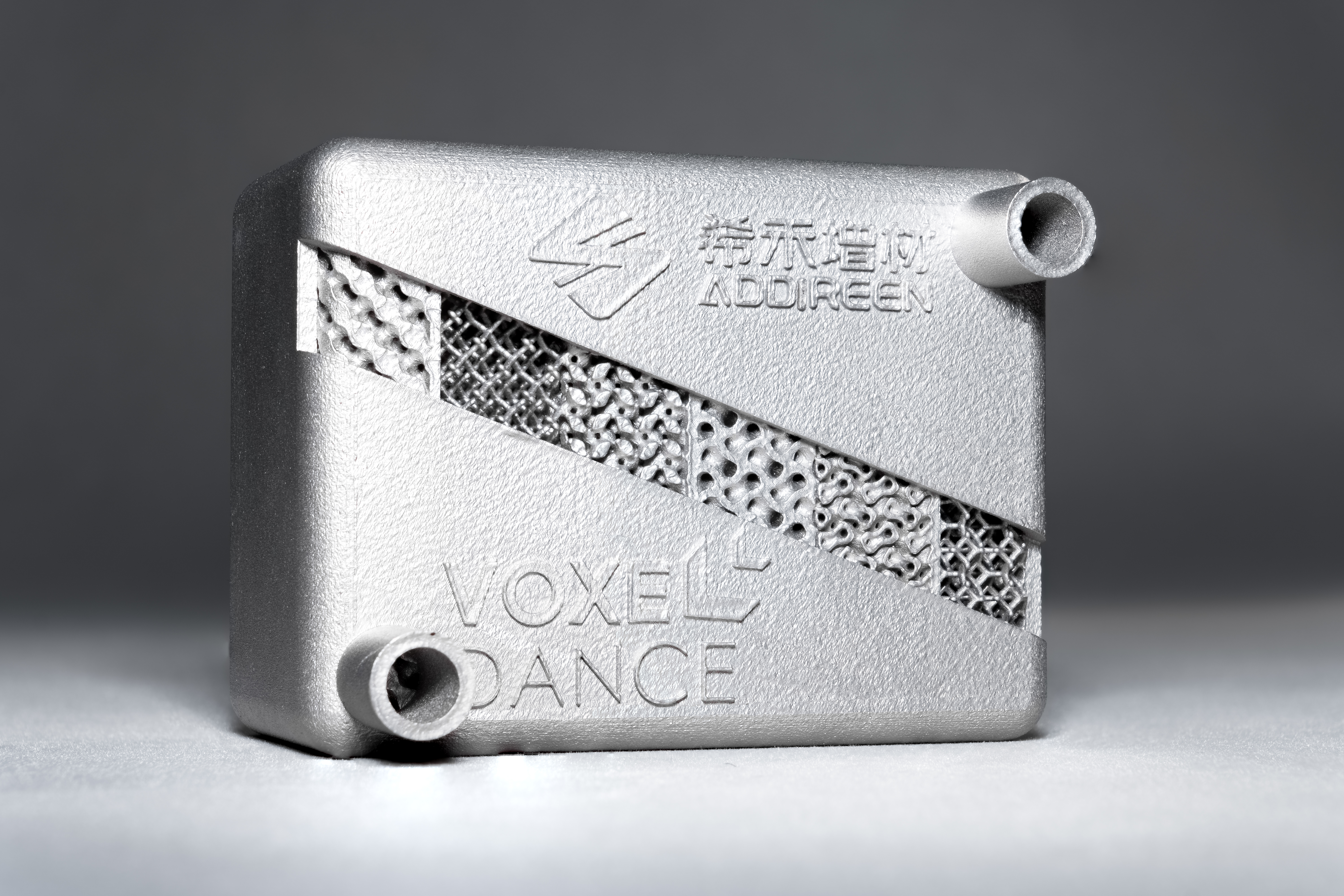
Application-Oriented Engineering Review
Review geometry, wall thickness, internal-channel accessibility, interfaces and project requirements before manufacturing.
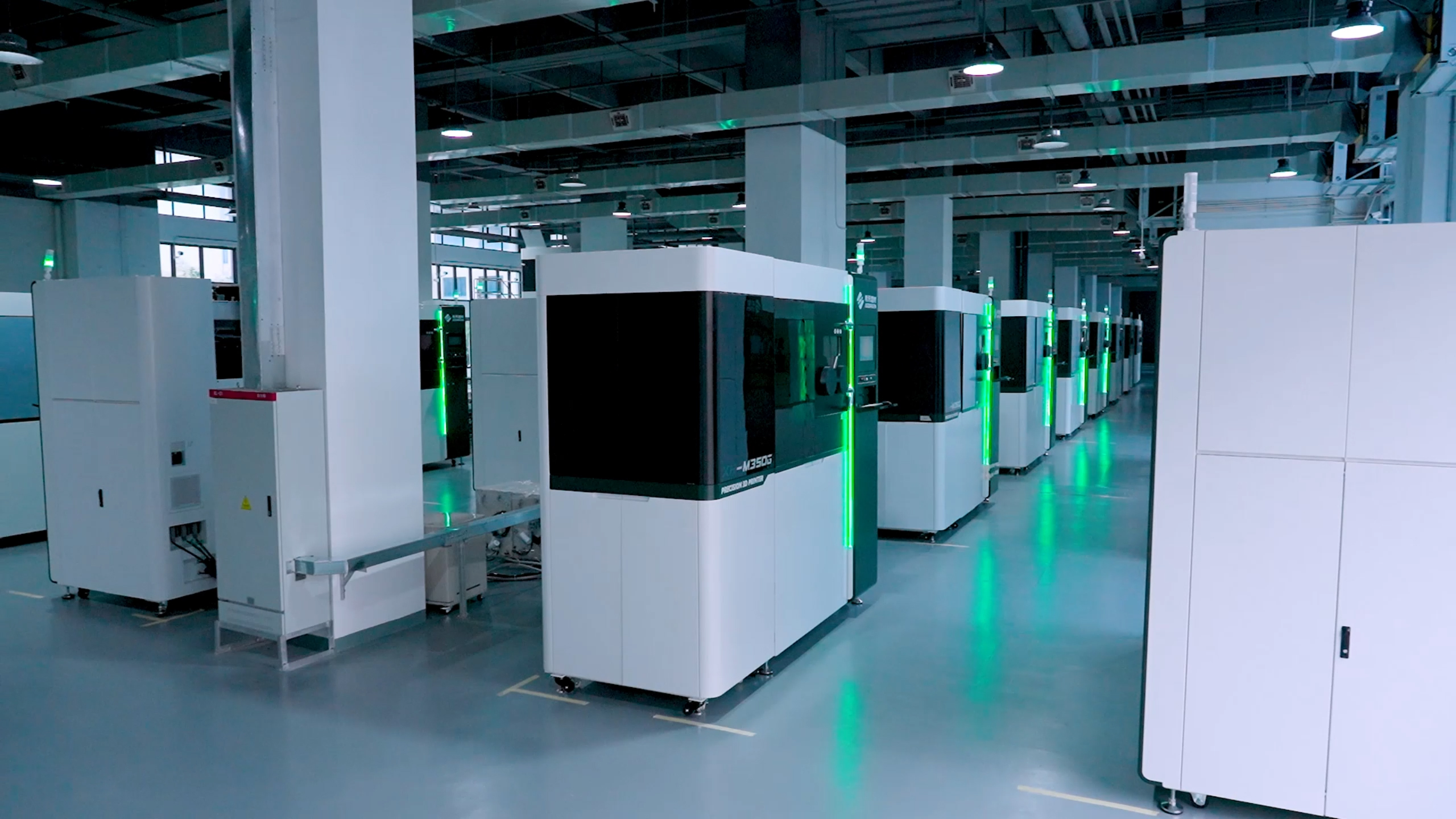
316L LPBF Manufacturing
Develop manufacturing plans for complex internal structures and integrated fluid components.
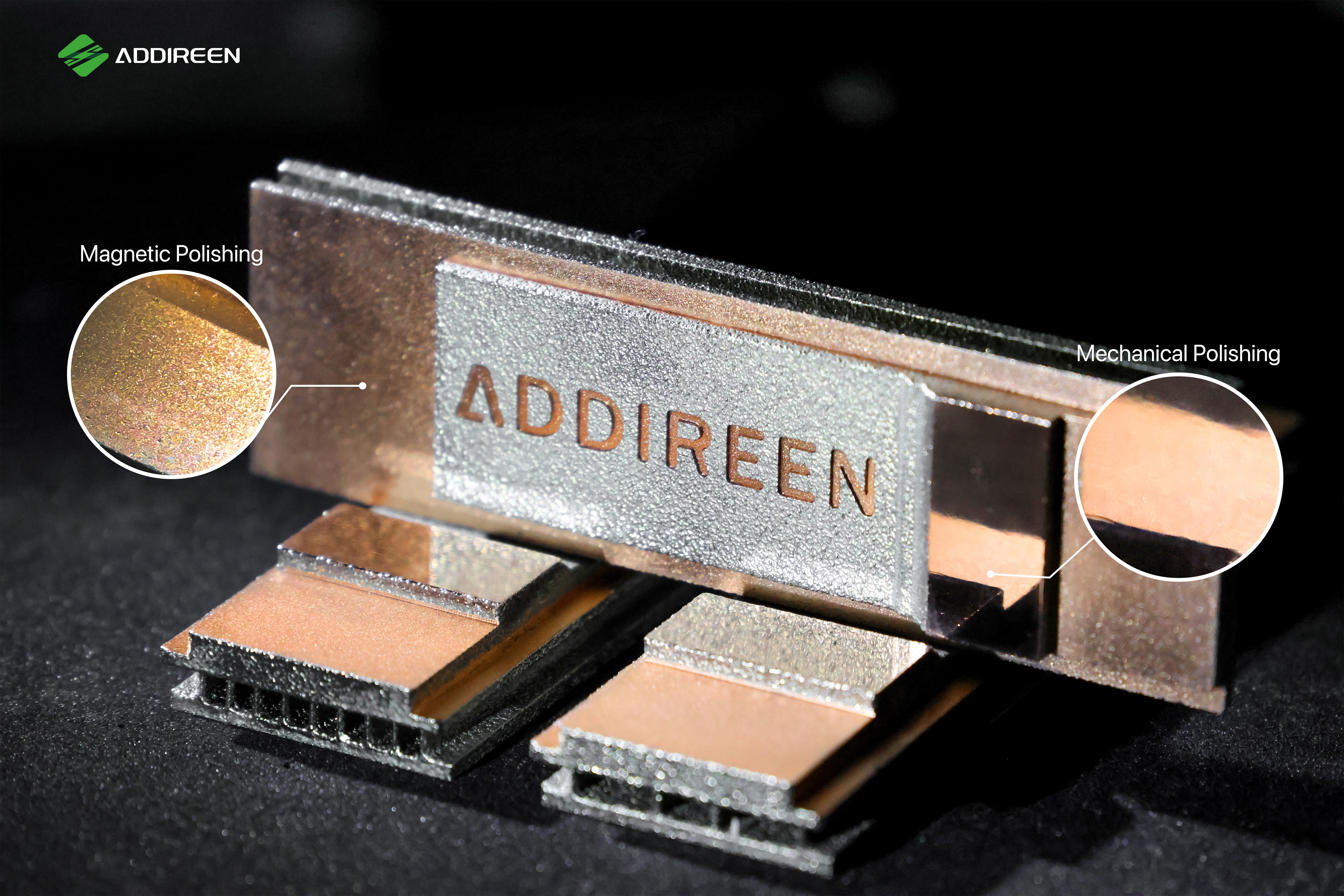
Post-Processing Coordination
Plan support removal, machining, surface treatment and internal cleaning according to project requirements.
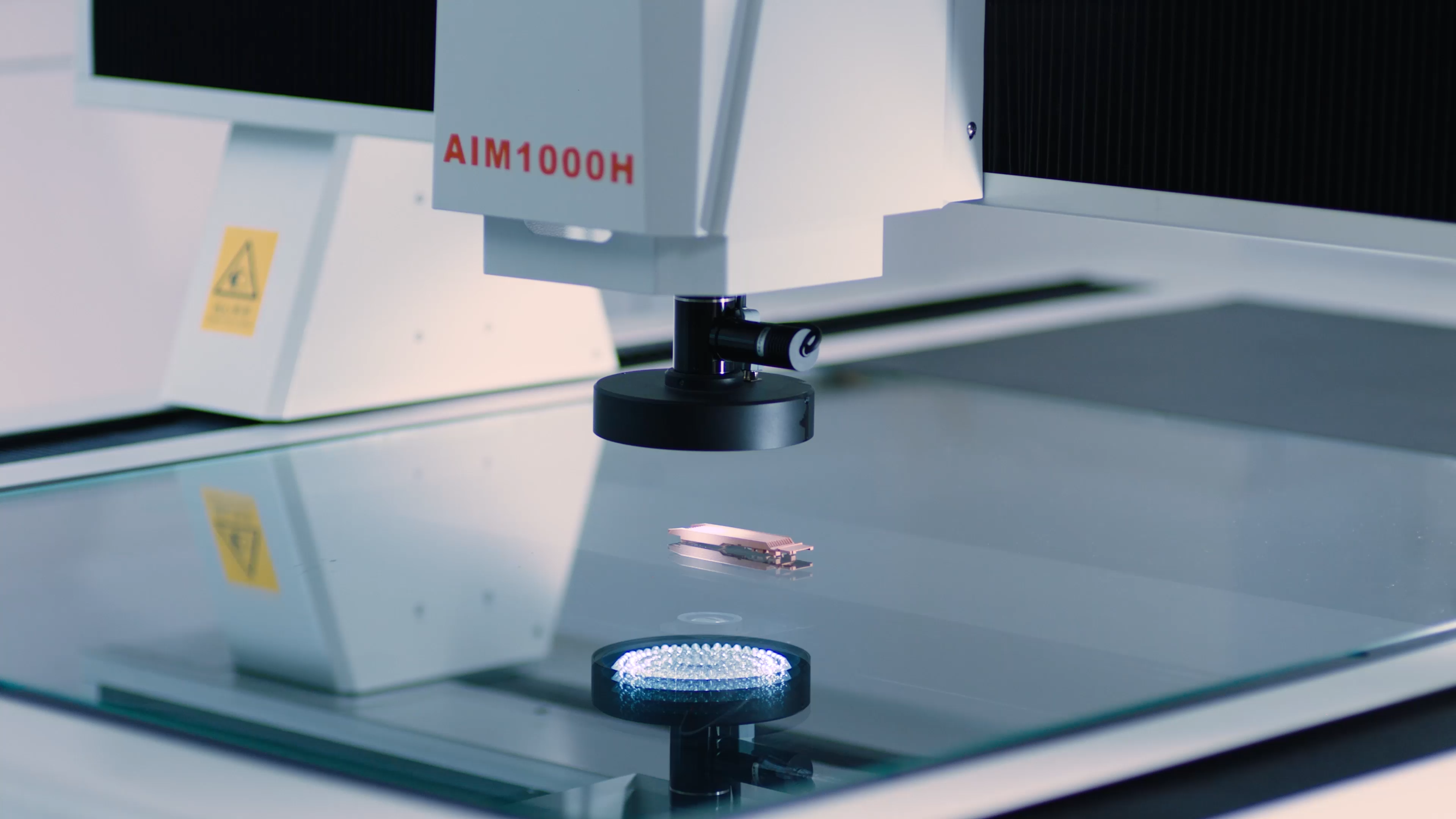
Inspection Planning
Define dimensional, density, surface and internal-channel inspection requirements for the manufactured sample.
Have a Similar Heat Exchanger Project?
Submit your CAD model and operating requirements for an application-specific engineering review.